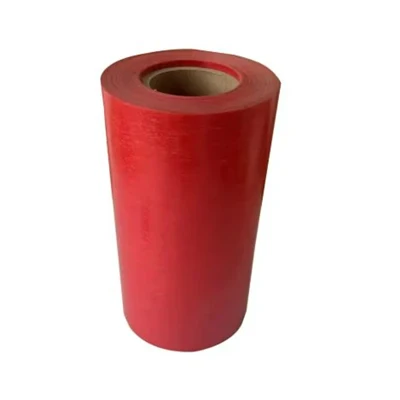

As an electrical pressboard supplier, I've been getting a lot of questions lately about how our products hold up in salt - fog environments. It's a valid concern, especially for industries like marine, coastal power plants, and other applications near the sea. So, let's dive into how electrical pressboard performs in these tricky conditions.
Understanding Salt - Fog Environments
First off, what exactly is a salt - fog environment? Well, it's an area where there's a high concentration of salt particles in the air, usually due to the proximity to the ocean. The salt in the fog can be pretty corrosive. When it settles on surfaces, it can cause all sorts of problems, like corrosion, reduced insulation performance, and even mechanical damage over time.
How Electrical Pressboard Works
Before we talk about its performance in salt - fog, let's quickly go over what electrical pressboard is. Electrical pressboard is a type of insulating material. It's made from layers of paper or fabric that are compressed and impregnated with resin. This gives it excellent electrical insulation properties, which is why it's used in all kinds of electrical equipment, from transformers to switchgear.
Performance in Salt - Fog
Electrical Insulation
One of the most important things about electrical pressboard is its ability to insulate. In a salt - fog environment, the salt particles can gradually get deposited on the surface of the pressboard. This can lead to a decrease in its insulation resistance. When the salt accumulates, it can form a conductive path on the surface, which means that electricity can leak through more easily.
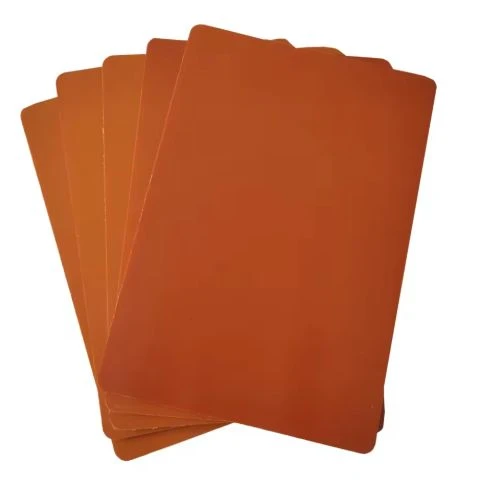
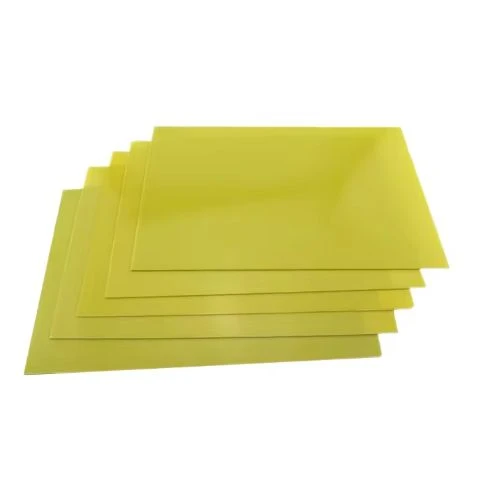
However, our Electrical Pressboard is designed to resist this kind of degradation. We use high - quality resins and manufacturing processes that help to keep the salt from penetrating the material. This means that even in a salt - fog environment, our pressboard can maintain its insulation properties for a long time.
Mechanical Strength
Salt - fog can also have an impact on the mechanical strength of electrical pressboard. The salt can cause corrosion and degradation of the fibers in the pressboard, which can make it weaker over time. But again, our products are built to last. We use strong fibers and a robust resin system that can withstand the corrosive effects of salt.
For example, our 3240 Epoxy Board has a high mechanical strength. The epoxy resin provides a protective layer that helps to prevent the salt from attacking the fibers. This means that the board can maintain its shape and structural integrity even in harsh salt - fog conditions.
Chemical Resistance
Another factor to consider is the chemical resistance of electrical pressboard. Salt is a chemical, and it can react with the materials in the pressboard. If the pressboard isn't chemically resistant, it can start to break down.
Our pressboard is formulated to be highly chemically resistant. The resins we use are designed to resist the chemical reactions that can be caused by salt. This means that the pressboard won't deteriorate as quickly as some other materials in a salt - fog environment.
Real - World Examples
I've seen firsthand how our electrical pressboard performs in salt - fog environments. We've supplied our products to several coastal power plants. In these plants, the equipment is constantly exposed to salt - fog. But our pressboard has held up well.
One of the power plants had been using a different type of insulation material before they switched to our 3021 Phenolic Paperboard. The previous material was showing signs of degradation after just a few years. But after installing our pressboard, they've reported that the insulation performance has remained stable, and there's been no significant mechanical damage.
Testing and Quality Assurance
We don't just rely on real - world examples to prove the performance of our electrical pressboard in salt - fog environments. We also conduct extensive testing in our labs. We simulate salt - fog conditions using special chambers. In these chambers, we expose the pressboard to different levels of salt concentration and humidity for extended periods.
We measure the electrical insulation resistance, mechanical strength, and chemical properties of the pressboard before and after the testing. This allows us to ensure that our products meet the highest standards of performance in salt - fog environments.
Advantages of Our Electrical Pressboard in Salt - Fog
- Long - Term Performance: Our pressboard can maintain its electrical and mechanical properties for a long time in salt - fog environments. This means that you won't have to replace the insulation as often, which can save you money in the long run.
- Reliability: When you're dealing with electrical equipment, reliability is key. Our pressboard provides a reliable insulation solution, even in harsh conditions.
- Customization: We can customize our pressboard to meet your specific requirements. Whether you need a certain thickness, shape, or performance level, we can work with you to create the perfect product.
Conclusion
In conclusion, our electrical pressboard performs very well in salt - fog environments. It has excellent electrical insulation, mechanical strength, and chemical resistance. We've proven its performance through real - world applications and extensive testing.
If you're in an industry that requires insulation in salt - fog environments, I encourage you to consider our electrical pressboard. We're here to help you find the best solution for your needs. If you have any questions or want to discuss a potential purchase, don't hesitate to reach out. We're ready to start a conversation and help you get the right insulation for your project.
References
- "Insulation Materials for Harsh Environments" - Journal of Electrical Insulation
- "The Effects of Salt - Fog on Electrical Insulation" - Proceedings of the International Conference on Electrical Engineering