


DMD insulation paper, composed of a polyester film (PET) sandwiched between two layers of polyester non - woven fabric, is widely used in the electrical insulation field due to its excellent mechanical, thermal, and electrical properties. As a reliable DMD insulation paper supplier, we understand the importance of proper packaging methods to ensure the quality and integrity of the product during storage and transportation. In this blog, we will explore the various packaging methods of DMD insulation paper.
1. Roll Packaging
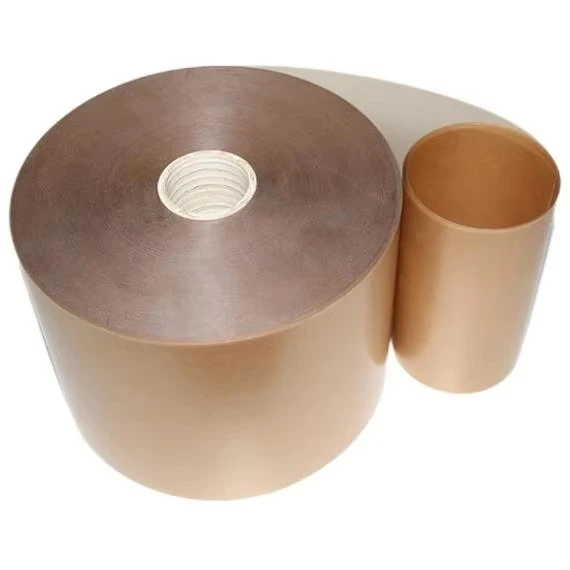
Roll packaging is one of the most common methods for DMD insulation paper. This method is suitable for large - quantity orders and long - length products.
1.1 Inner Packaging
The paper is first wound into a tight roll. To protect the surface of the DMD insulation paper from scratching, a layer of protective film is usually applied on the outermost layer of the roll. This film, often made of a thin and flexible plastic material, acts as a shield against minor abrasions that could occur during handling. Some high - quality protective films also have anti - static properties, which can prevent dust and debris from adhering to the paper surface.
1.2 Outer Packaging
After the inner protective film is in place, the roll is placed inside a sturdy cardboard tube. The cardboard tube provides support to the roll, preventing it from deforming during transportation and storage. The diameter and thickness of the cardboard tube are carefully selected according to the size and weight of the DMD insulation paper roll.
The roll with the cardboard tube is then wrapped with a layer of kraft paper. Kraft paper is strong and moisture - resistant to a certain extent. It further protects the paper from environmental factors such as light, dust, and small amounts of moisture. For additional protection, especially for long - distance transportation or storage in humid environments, the kraft - paper - wrapped roll may be placed inside a plastic shrink - wrap. The plastic shrink - wrap is tightened around the roll using heat, creating a sealed and moisture - proof environment.
2. Sheet Packaging
For customers who require DMD insulation paper in sheet form, we use a different packaging approach.
2.1 Stacking and Interleaving
The DMD insulation paper sheets are neatly stacked on top of each other. To prevent the sheets from sticking together, a thin layer of interleaving paper is placed between each sheet. The interleaving paper is usually made of a smooth, non - adhesive material that can easily be separated from the DMD insulation paper. This ensures that the sheets can be easily peeled apart when needed.
2.2 Inner Packaging
The stacked sheets are then placed inside a plastic bag. The plastic bag is made of a high - density polyethylene material, which provides a good barrier against moisture, dust, and contaminants. The bag is sealed tightly to maintain the integrity of the internal environment.
2.3 Outer Packaging
The plastic - bagged stack is placed inside a cardboard box. Cardboard boxes are strong and can be easily labeled with product information such as the number of sheets, size, and other specifications. Multiple such boxes can be stacked and transported efficiently.
3. Custom Packaging
In some cases, customers may have specific packaging requirements based on their unique usage scenarios and storage conditions. As a flexible DMD insulation paper supplier, we are more than willing to provide custom - made packaging solutions.
3.1 Special Storage Conditions
For customers who need to store the DMD insulation paper in a highly humid environment, we can use packaging materials with enhanced moisture - proof properties. For example, we can use aluminum foil - lined packaging, which provides an excellent barrier against moisture, oxygen, and light.
3.2 Shock and Vibration Resistance
If the product needs to withstand a lot of shock and vibration during transportation, such as in the case of overseas shipping via rough ocean routes, we can add cushioning materials inside the packaging. Foam inserts or air pillows can be placed around the roll or stack of sheets to absorb impact and protect the paper from damage.
4. Comparison with Other Insulation Paper Packaging
It is also interesting to compare the packaging methods of DMD insulation paper with those of other similar insulation papers, such as PMP Insulation Paper and F - DMD Insulation Paper.
PMP insulation paper, which is known for its high - temperature resistance, often requires packaging that can withstand high temperatures during storage and transportation. The packaging materials for PMP insulation paper are usually selected to have good thermal stability. Similar to DMD insulation paper, it can be packaged in rolls or sheets, but the choice of protective films and outer packaging materials may be different to meet its specific thermal requirements.
F - DMD insulation paper, which is a modified version of DMD insulation paper with enhanced properties, may also have specific packaging needs. Due to its potentially higher performance requirements, the packaging may need to provide more precise protection against environmental factors. For example, the protective film used for F - DMD insulation paper may have better chemical resistance to prevent any chemical reactions that could affect its performance.
5. Importance of Packaging in Maintaining Product Quality
Proper packaging is crucial for maintaining the quality of DMD insulation paper. The electrical and mechanical properties of DMD insulation paper can be affected by environmental factors such as moisture, dust, and physical damage.
Moisture penetration can reduce the electrical insulation performance of the paper. Even a small amount of moisture can cause a decrease in the dielectric strength of the paper, which may lead to electrical failures in the applications where it is used. Packaging materials that are moisture - resistant, such as plastic shrink - wraps, kraft paper, and aluminum foil - lined bags, help to keep the paper dry.
Dust and debris can also pose a threat to the performance of DMD insulation paper. If dust particles adhere to the surface of the paper, they can act as conductive paths, increasing the risk of electrical arcing. The packaging methods, including the use of protective films and sealed bags or boxes, prevent dust from reaching the paper surface.

Physical damage, such as scratches and tears, can weaken the mechanical strength of the paper. The use of cardboard tubes, plastic bags, and cushioning materials helps to protect the paper from physical impacts during handling and transportation.
6. Conclusion
In conclusion, as a DMD insulation paper supplier, we offer a variety of packaging methods to meet different customer needs. Whether it is roll packaging, sheet packaging, or custom - made packaging, we ensure that the DMD insulation paper is well - protected during storage and transportation. By using appropriate packaging materials and techniques, we can maintain the high quality of the product and ensure its optimal performance in various electrical insulation applications.
If you are interested in our DMD insulation paper or have specific packaging requirements, please feel free to contact us for further discussion and procurement negotiation. We are committed to providing you with the best products and services.
References
- Electrical Insulation Handbook, McGraw - Hill
- Insulation Materials and Systems: Design, Manufacturing, and Testing, Wiley
