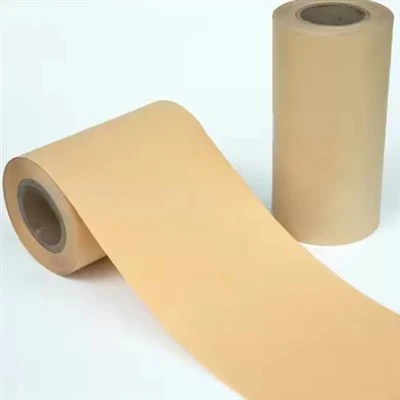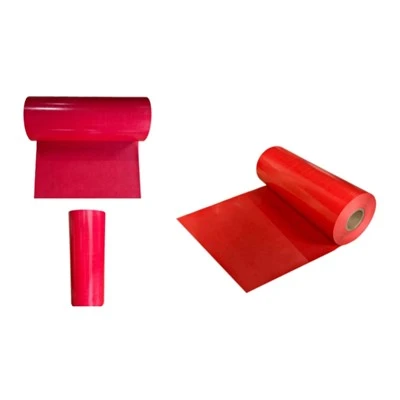

When it comes to the efficient and reliable operation of motors, one crucial yet often overlooked component is the Insulating Motor Film. As a trusted Insulating Motor Film supplier, I'm excited to delve into the science behind how this remarkable material works and its significance in the world of motor technology.
Understanding the Basics of Insulating Motor Film
Insulating Motor Film is a specialized material designed to provide electrical insulation within motors. It acts as a barrier between conductive components, preventing the flow of electric current where it's not intended. This is essential for several reasons. Firstly, it helps to ensure the safe operation of the motor by preventing short - circuits. In a motor, electrical currents are precisely controlled to generate mechanical motion. If these currents were to stray from their intended paths, it could lead to overheating, damage to the motor's components, or even pose a safety hazard to users.
Secondly, insulation improves the motor's efficiency. By keeping the electrical currents flowing in the right direction, less energy is wasted in the form of heat due to unintended electrical leakage. This means that the motor can convert more of the electrical energy it consumes into useful mechanical work, reducing energy costs and making the system more environmentally friendly.
Types of Insulating Motor Films
There are several types of Insulating Motor Films available in the market, each with its own unique properties and applications.
Colorless Polyimide Film
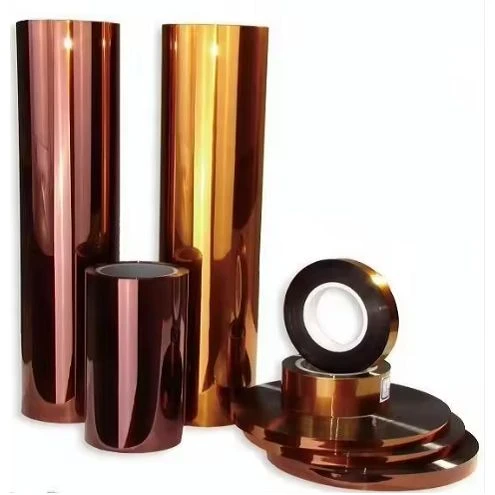
The Colorless Polyimide Film is known for its excellent thermal stability, high dielectric strength, and flexibility. It can withstand high temperatures, making it suitable for use in motors that operate under harsh conditions. For example, in industrial motors used in manufacturing plants where there are high - temperature environments, colorless polyimide film can maintain its insulating properties, ensuring the long - term reliability of the motor. Its flexibility also allows it to be easily wrapped around complex motor components, providing a seamless insulation layer.
Polyester Plastic Film
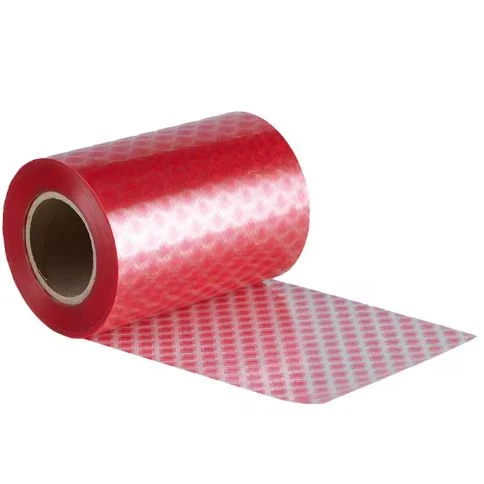
Polyester Plastic Film is a cost - effective option that offers good electrical insulation and mechanical strength. It is widely used in general - purpose motors due to its affordability and ease of processing. Polyester film can be easily cut and shaped to fit different motor designs. In household appliances such as fans and washing machines, polyester plastic film is often used to insulate the motor windings, providing reliable performance at a reasonable cost.
Dispensed Polyester Film
Dispensed Polyester Film is a type of film that can be applied in a liquid form and then cured to form a solid insulation layer. This method allows for a more precise application, especially in areas with complex geometries. For example, in small - sized motors where space is limited, dispensed polyester film can be applied exactly where it's needed, ensuring complete coverage and effective insulation.
How Insulating Motor Film Works
The working principle of Insulating Motor Film is based on its electrical properties. At the atomic level, the molecules in the insulating film are arranged in such a way that they do not allow free electrons to move easily. In a conductive material, such as copper, there are many free electrons that can move freely in response to an electric field, allowing the flow of electric current. In contrast, the insulating film has a high resistance to the flow of electrons.
When an electric potential is applied across a motor winding, the Insulating Motor Film prevents the electrons from jumping from one conductor to another. The film acts as a physical and electrical barrier, forcing the electrons to follow the intended path through the conductive windings. The dielectric strength of the film is a key parameter that determines its ability to withstand the electric field without breaking down.
The dielectric constant of the Insulating Motor Film also plays an important role. A lower dielectric constant means that the film will store less electrical energy in the form of an electric field. This is beneficial as it reduces the chances of electrical losses and overheating. Additionally, the dissipation factor of the film indicates how much energy is converted into heat when an alternating current passes through it. A lower dissipation factor is desirable as it implies less energy wastage.
Factors Affecting the Performance of Insulating Motor Film
Several factors can affect the performance of Insulating Motor Film over time.
Temperature
High temperatures can degrade the insulating properties of the film. As the temperature rises, the molecules in the film become more active, which can lead to a decrease in its dielectric strength. This is why films with high thermal stability, such as the colorless polyimide film, are preferred in high - temperature applications. Thermal management within the motor is also crucial to ensure that the film operates within its recommended temperature range.
Humidity
Humidity can also have a negative impact on the performance of insulating film. Water molecules can penetrate the film and create conductive paths, reducing its insulation resistance. This is particularly a concern in motors that operate in moist or humid environments. Special coatings or moisture - resistant films can be used to mitigate this issue.
Mechanical Stress
Mechanical stress, such as vibration or bending, can cause the insulating film to crack or delaminate. In motors with moving parts, the constant vibration can put stress on the film. Therefore, the film needs to have good mechanical flexibility and adhesion to withstand these stresses without losing its insulating properties.
Benefits of Using Our Insulating Motor Films
As a leading Insulating Motor Film supplier, we take pride in offering high - quality products that provide numerous benefits to our customers.
- Enhanced Motor Performance: Our films are designed to offer superior electrical insulation, which helps to improve the efficiency and reliability of motors. By reducing electrical losses and preventing short - circuits, motors can operate more smoothly and with less downtime.
- Long - Term Durability: We understand that motors are often expected to have a long service life. That's why our films are engineered to withstand various environmental factors, such as high temperatures, humidity, and mechanical stress. This ensures that the insulation remains effective over an extended period.
- Customizable Solutions: We recognize that different motors have different requirements. Whether it's a small - scale consumer motor or a large - industrial - grade motor, we can provide customized Insulating Motor Film solutions to meet specific design and performance needs.
Contact Us for Your Insulating Motor Film Needs
If you're in the market for high - quality Insulating Motor Film, we're here to help. Whether you're an original equipment manufacturer (OEM) looking for reliable insulation materials for your motors or a maintenance and repair service provider in need of replacement films, we have the expertise and products to meet your requirements.
Our team of experts is ready to assist you in selecting the most suitable Insulating Motor Film for your application. We can provide technical support, product samples, and detailed information to help you make an informed decision. Don't hesitate to reach out to us to start a discussion about your motor insulation needs and explore how our Insulating Motor Film can enhance the performance of your motors.
References
- "Electric Motors and Drives: Fundamentals, Types and Applications" by Austin Hughes and Bill Drury.
- "Insulation Materials and Systems for Electric Machines" by Eugene K. Zirka.