


Insulating films play a crucial role in various industries, from electronics to automotive, by preventing the flow of electric current and providing protection against heat, moisture, and mechanical damage. As a leading insulating film supplier, we are often asked about the impact of the color of insulating film on its performance. In this blog post, we will delve into the science behind the color of insulating films and how it affects their properties and applications.
The Basics of Insulating Films
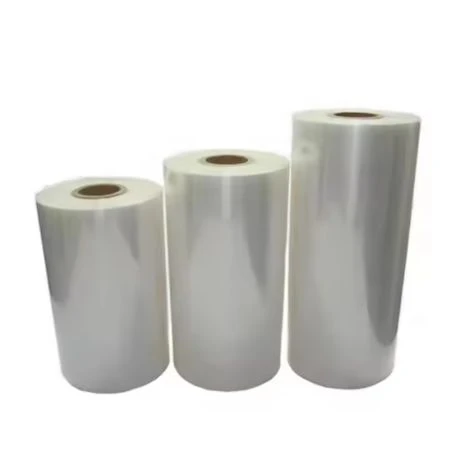
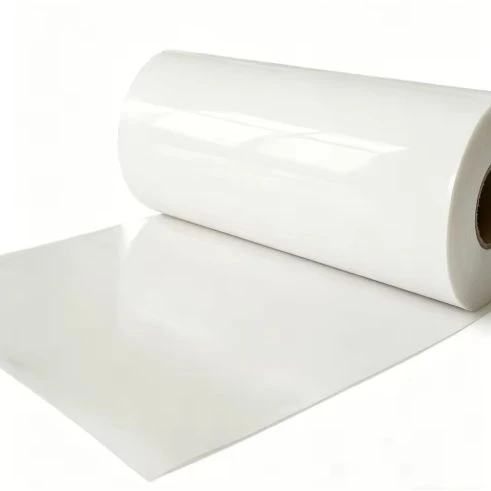
Insulating films are made from a variety of materials, including Polyester Plastic Film, polyimide, and other polymers. These materials are chosen for their high electrical resistance, thermal stability, and mechanical strength. The color of an insulating film can be determined by the base material, additives, or the manufacturing process.
How Color Affects Optical Properties
One of the most obvious ways that color affects the performance of an insulating film is through its optical properties. A film's color can determine how much light it absorbs, reflects, or transmits. For example, a black insulating film will absorb most of the light that hits it, while a white film will reflect more light. This property can be crucial in applications where lighting control is important, such as in electronic displays or solar panels.
Absorption and Heat Generation
The absorption of light by an insulating film can lead to heat generation. Darker colors, such as black and dark blue, absorb more light and convert it into heat. In applications where heat management is critical, such as in high-powered electronics or automotive components, this can be a significant factor. Excessive heat can degrade the insulating properties of the film over time, leading to reduced performance and potentially premature failure.
Transmission and Visibility
In some applications, the ability of the insulating film to transmit light is important. For example, in display technologies, a Colorless Polyimide Film may be required to ensure maximum visibility. Colorless or clear films allow the maximum amount of light to pass through, which is essential for bright and clear displays.
Electrical Properties
The color of an insulating film can also have an impact on its electrical properties. While the base polymer material primarily determines the electrical insulation capabilities, additives used to create different colors can sometimes affect these properties.
Conductivity and Resistance
Certain additives used to color the film may introduce small amounts of conductivity or change the resistivity of the material. For example, some pigments or dyes used in coloring films may contain metallic particles that can slightly increase the conductivity of the film. In applications where extremely high electrical resistance is required, such as in high-voltage insulation, this can be a concern.
Dielectric Constant
The dielectric constant is a measure of a material's ability to store electrical energy in an electric field. The color additives in an insulating film can potentially affect the dielectric constant. A change in the dielectric constant can impact the performance of the film in applications where capacitance is a critical factor, such as in capacitors or printed circuit boards.
Thermal Properties
The color of an insulating film can influence its thermal properties, which are important in applications where heat dissipation or insulation is required.
Heat Absorption and Dissipation
As mentioned earlier, darker-colored films absorb more light and convert it into heat. This can be advantageous in applications where heat absorption is desired, such as in solar heating systems. On the other hand, in applications where heat dissipation is crucial, lighter-colored films may be preferred as they reflect more light and absorb less heat.
Thermal Conductivity
The color of the film may also affect its thermal conductivity. Some additives used to color the film can either increase or decrease the thermal conductivity of the material. In applications where efficient heat transfer is required, such as in heat sinks or thermal management systems, the choice of film color can play a role in optimizing performance.
Chemical Resistance
The color of an insulating film can be related to its chemical resistance properties. Additives used to create different colors may react differently to various chemicals, which can affect the film's ability to withstand exposure to harsh environments.
Resistance to Corrosion
In applications where the insulating film is exposed to corrosive chemicals, such as in the chemical processing industry or in automotive under-hood applications, the color additives can impact the film's corrosion resistance. Some pigments or dyes may be more resistant to chemical attack than others, and this should be considered when selecting an insulating film for a specific application.
Compatibility with Other Materials
The color additives in an insulating film can also affect its compatibility with other materials in the system. For example, in a multi-layered structure, the color additives may interact with the adhesives or other films, leading to delamination or other performance issues.
Applications and Color Considerations
Different industries and applications have specific requirements for the color of insulating films based on the performance factors discussed above.
Electronics Industry
In the electronics industry, the color of insulating films can be critical for both optical and electrical performance. For example, in mobile devices, a clear or colorless insulating film may be used to ensure maximum visibility of the display. In high-power electronics, a light-colored film may be preferred to minimize heat absorption and improve thermal management.
Automotive Industry
In the automotive industry, insulating films are used in various applications, including wiring insulation, battery management systems, and thermal insulation. The color of the film may be chosen based on its ability to withstand high temperatures, resist chemicals, and provide adequate electrical insulation. For example, a black insulating film may be used in areas where heat absorption is beneficial, while a white or silver film may be used in areas where heat reflection is required.
Solar Energy Industry
In the solar energy industry, the color of the insulating film can impact the efficiency of solar panels. A black or dark-colored film can absorb more sunlight, which can increase the energy conversion efficiency. However, the film must also have good thermal stability and electrical insulation properties to ensure long-term performance.
Conclusion
In conclusion, the color of an insulating film can have a significant impact on its performance in various applications. From optical and electrical properties to thermal and chemical resistance, the choice of film color should be carefully considered based on the specific requirements of the application. As an insulating film supplier, we offer a wide range of colors and materials to meet the diverse needs of our customers. Whether you need a Polyester Plastic Film for general insulation, a Colorless Polyimide Film for high-visibility applications, an Insulating Motor Film for automotive and industrial motors, or a Dispensed Polyester Film for specific coating requirements, we have the expertise and products to provide the right solution.
If you are interested in learning more about our insulating films or have specific requirements for your application, please contact us for a detailed consultation. Our team of experts will be happy to assist you in selecting the most suitable insulating film for your needs.
References
- "Handbook of Electrical Insulating Materials" by J. P. Harney
- "Polymer Science and Technology" by S. L. Rosen
- "Optical Properties of Polymers" by A. V. Volynskii


