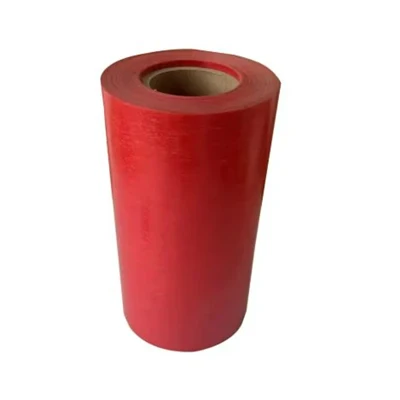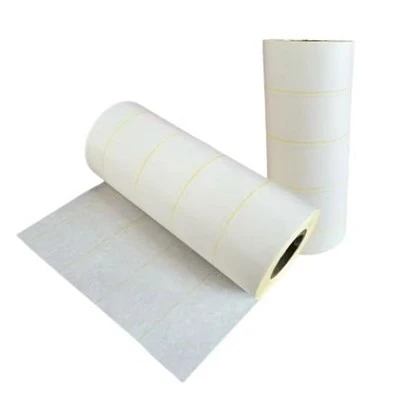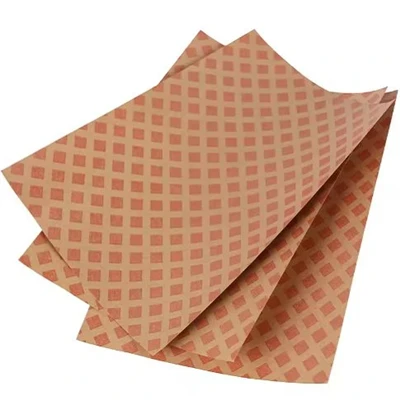

Hey there! As a supplier of DMD Prepreg, I often get asked about the maximum temperature this material can withstand. It's a crucial question, especially for industries where DMD Prepreg is used in high - heat environments. So, let's dive right in and explore this topic in detail.
What is DMD Prepreg?
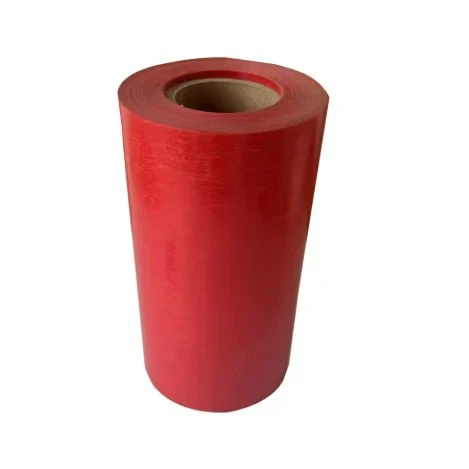
First off, let me briefly introduce what DMD Prepreg is. DMD Prepreg is a type of pre - impregnated composite material. It consists of layers of polyester non - woven fabric and epoxy resin. This combination gives it some really great properties like good mechanical strength, electrical insulation, and chemical resistance. It's commonly used in the electrical and electronics industries, as well as in some automotive applications.
Factors Affecting the Maximum Temperature
The maximum temperature that DMD Prepreg can withstand isn't a fixed number. There are several factors that come into play.
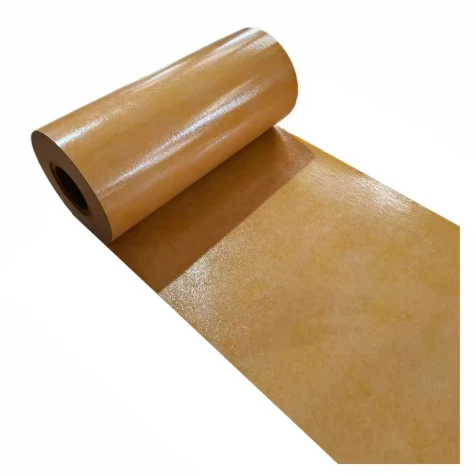
Resin System
The type of resin used in the DMD Prepreg has a huge impact. Epoxy resins are the most common ones used, but different epoxy formulations have different heat - resistance capabilities. Some high - performance epoxy resins can withstand higher temperatures compared to standard ones. For example, if a DMD Prepreg is made with a specialty epoxy resin that's designed for high - heat applications, it can handle more heat before it starts to degrade.
Reinforcement Material
The polyester non - woven fabric used as reinforcement also affects the temperature resistance. The quality and thickness of the fabric matter. A higher - quality fabric with better heat - stability can help the DMD Prepreg maintain its structure at higher temperatures. If the fabric starts to break down or lose its integrity due to heat, it can compromise the overall performance of the DMD Prepreg.
Manufacturing Process
How the DMD Prepreg is manufactured is another factor. The curing process, in particular, can influence the heat - resistance. If the prepreg is cured properly at the right temperature and for the right duration, it can achieve better cross - linking of the resin, which in turn improves its ability to withstand heat.
Typical Maximum Temperature Ranges
In general, most standard DMD Prepregs can withstand temperatures up to around 130°C to 150°C on a continuous basis. This makes them suitable for a wide range of general - purpose electrical applications where the operating temperatures are relatively moderate.
However, for more specialized DMD Prepregs that are formulated with high - performance resins and better reinforcement materials, the maximum continuous operating temperature can go up to 180°C or even higher in some cases. These high - temperature DMD Prepregs are often used in applications like high - power motors, transformers, and some aerospace components where the heat generated is significant.
Comparing with Other Prepregs
It's interesting to compare DMD Prepreg with other types of prepregs in terms of temperature resistance. For example, Epoxy Coated Mesh is another type of material that's often used in similar applications. Epoxy Coated Mesh usually has a similar temperature resistance range as standard DMD Prepreg, around 130 - 150°C. But again, it depends on the specific formulation.
On the other hand, SHS Prepreg is known for its excellent heat - resistance. Some SHS Prepregs can withstand temperatures well above 200°C. So, if you're in an application where extremely high temperatures are involved, SHS Prepreg might be a better choice. However, DMD Prepreg offers a good balance between cost, performance, and temperature resistance for many common applications.
Testing and Quality Assurance
At our company, we take temperature - resistance testing very seriously. We use a variety of methods to determine the maximum temperature that our DMD Prepregs can withstand. One common test is the thermal gravimetric analysis (TGA). This test measures the weight loss of the material as it's heated up. When the resin starts to decompose due to heat, there's a significant weight loss, and we can use this data to determine the temperature at which degradation begins.
We also conduct long - term heat - aging tests. We subject the DMD Prepreg samples to a constant high temperature for an extended period, usually several weeks or months. After that, we test the mechanical and electrical properties of the samples to see how much they've been affected by the heat. This helps us ensure that our DMD Prepregs can perform reliably in real - world applications.
Applications at Different Temperature Levels
Low - to - Medium Temperature Applications (up to 150°C)
In the electrical and electronics industry, DMD Prepreg is widely used in low - to - medium - power transformers and motors. These devices usually operate at temperatures below 150°C. The good electrical insulation and mechanical strength of DMD Prepreg make it ideal for insulating the windings and other components.
In the automotive industry, DMD Prepreg can be used in some engine - compartment components where the temperature doesn't exceed 150°C. For example, it can be used in some electrical connectors and sensor housings.
High - Temperature Applications (above 150°C)
For high - power motors and transformers, DMD Prepreg with a higher temperature resistance (up to 180°C or more) is required. These devices generate a lot of heat during operation, and the DMD Prepreg needs to maintain its performance even at high temperatures.
In the aerospace industry, where components are exposed to extreme conditions, DMD Prepregs with high - temperature resistance are also used in some non - critical but heat - exposed areas.
Importance of Choosing the Right Temperature - Resistant DMD Prepreg
Choosing the right DMD Prepreg with the appropriate temperature resistance is crucial. If you use a DMD Prepreg that can't withstand the operating temperature, it can lead to several problems. The resin might start to soften or decompose, which can cause a loss of mechanical strength. This can result in component failure, which is not only costly but can also be dangerous in some applications like aerospace and automotive.
On the other hand, if you choose a DMD Prepreg with a much higher temperature resistance than you actually need, you'll end up paying more for a feature that you don't really use. So, it's important to accurately assess the temperature requirements of your application and choose the right DMD Prepreg accordingly.
Conclusion
So, to sum it all up, the maximum temperature that DMD Prepreg can withstand depends on several factors like the resin system, reinforcement material, and manufacturing process. Standard DMD Prepregs can usually handle temperatures up to 130 - 150°C continuously, while specialized ones can go up to 180°C or higher.
If you're in the market for DMD Prepreg and need to find the right material for your specific temperature requirements, don't hesitate to reach out. We're here to help you choose the best DMD Prepreg for your application and ensure that you get a high - quality product that performs reliably.
References
- "Handbook of Composite Materials", John Wiley & Sons
- "Advanced Composites in Electrical Engineering", Springer Publishing