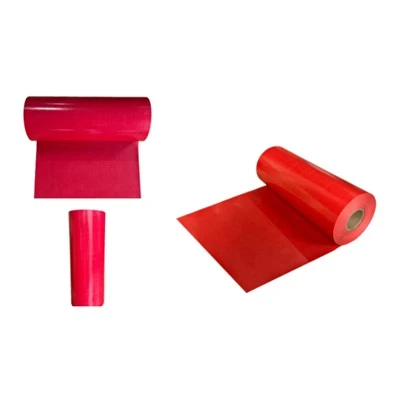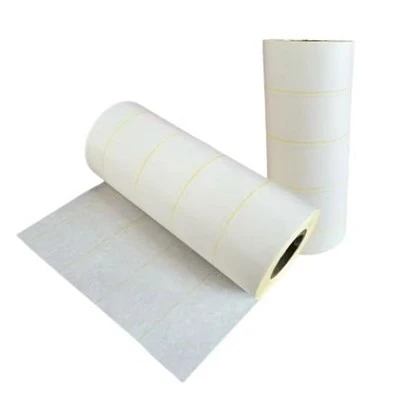
The storage of flexible composite materials requires particular attention to environmental conditions and storage methods in order to maintain their performance stability and service life. Exposure to high temperatures, intense light, and humid environments should be avoided; heat and ultraviolet radiation can lead to material aging, deformation, or performance degradation, while moisture can easily cause water absorption-induced expansion or interfacial delamination. It is generally recommended to store these materials in a cool, dry, and well-ventilated warehouse, ideally maintaining a temperature of approximately 20°C and a relative humidity below 50%.
Storage methods should be designed to prevent the materials from undergoing deformation due to compression or tension. Rolled materials or sheets should be stored either laid flat or positioned vertically on support racks to prevent heavy loads from causing permanent deformation or interlayer separation. For pre-cut flexible composite products, secondary protection-such as the use of dust-proof bags or sealed packaging-is recommended to minimize the impact of dust, chemical fumes, or other contaminants on the material's surface.
During long-term storage, flexible composite materials should also undergo periodic performance inspections. It is advisable to conduct visual inspections and necessary physical property tests-such as those for flexibility, thickness, and tensile strength-every few months to ensure that the materials continue to meet design specifications prior to use. If any abnormalities-such as discoloration, tackiness, delamination, or embrittlement-are detected, the affected materials should be promptly discarded or subjected to specialized treatment to prevent any compromise to product quality during subsequent manufacturing or application processes.