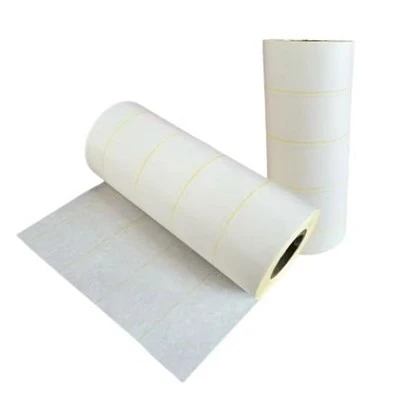
Soft composite materials are a class of materials macroscopically formed from two or more constituent materials with distinct properties, integrated through physical or chemical processes to yield a material possessing novel characteristics. By combining the advantages of their respective components, these materials not only retain certain attributes of the individual constituents but also generate-through synergistic "composite effects"-new properties that are absent in any single material alone; notably, their inherent "softness" endows them with unique applicability across a wide range of fields.
From a technical standpoint, soft composite materials typically consist of a matrix material and a reinforcing material. The matrix material serves to bind and protect the reinforcement while facilitating the transfer of mechanical stress; common examples of matrix materials include resins and rubbers. The reinforcing material, conversely, primarily provides strength and rigidity, comprising elements such as fibrous materials (e.g., glass fibers, carbon fibers) or woven fabrics. Through judicious combination and precise processing techniques, these two types of materials are intimately bonded to create a composite material that is simultaneously soft yet possesses requisite levels of strength and toughness.