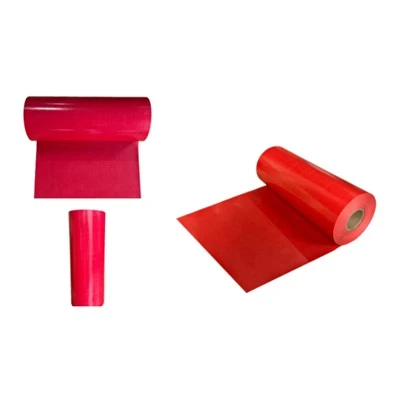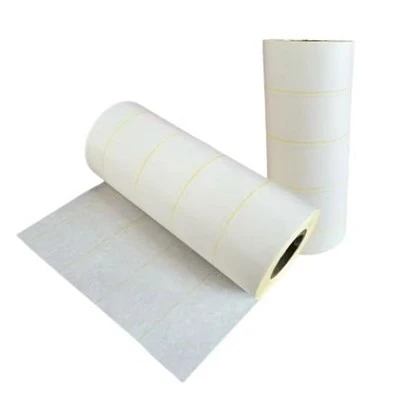
The pre-impregnation tower plays a pivotal role in the fabrication of fiber-reinforced composite materials! Its operational principle primarily involves three key stages: impregnation, compaction, and curing.
Step 1: Impregnation
The fibers undergo a pretreatment using a low-viscosity solution-such as diluted latex or a phenolic resin emulsion-to enhance the bonding strength between the fibers and the matrix material. This process creates a uniform resin transition layer on the fiber surfaces, facilitating smoother subsequent resin uptake and ensuring the fibers absorb the resin more thoroughly.
Step 2: Compaction
Following impregnation, the prepreg material undergoes a "tight-fitting" compaction process, achieved either through vacuum suction or the application of pressure. When vacuum suction is employed, the pressure differential can reach one standard atmosphere; this effectively minimizes voids and air bubbles, ensuring the prepreg is dense, uniform, and compact.
Step 3: Curing
The compacted prepreg is then transferred into a curing oven or cured using self-heating molds. Under conditions of elevated temperature and pressure, the resin undergoes a chemical reaction, gradually solidifying to form a stable composite structure. The resulting cured composite material boasts exceptional mechanical properties and density, thereby meeting the rigorous demands of a wide variety of application scenarios.