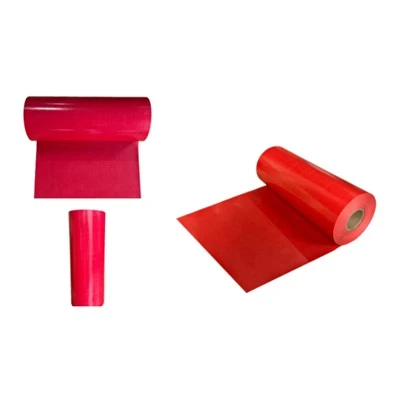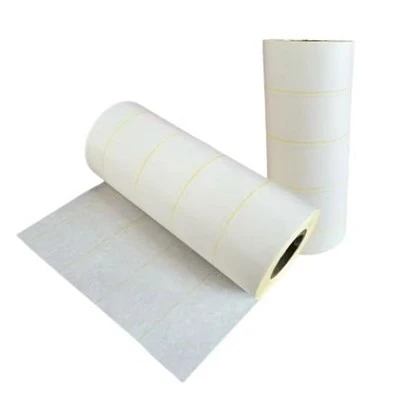
The selection of process materials serves as the foundation for insulating films; different applications necessitate the choice of films with specific performance characteristics-such as polyester, polyimide, or polytetrafluoroethylene. These materials must possess excellent insulating properties, high thermal stability, and resistance to chemical corrosion, while also exhibiting sufficient mechanical strength to ensure reliability during subsequent processing and end-use.
In the forming and processing stage, common methods include extrusion, coating, and calendering. Extrusion is well-suited for the large-scale production of films with uniform thickness; coating allows for the formation of functional insulating layers on substrate surfaces; and calendering involves compressing the material under high temperature and pressure to achieve the desired film thickness. Throughout the processing workflow, strict control over temperature, pressure, and stretching speed is essential to prevent defects such as bubbles, wrinkles, or uneven thickness in the film. Common post-processing techniques include plasma treatment, chemical modification, or surface coating. The treated films must undergo rigorous testing-including assessments of insulation resistance, dielectric breakdown strength, and thermal stability-to ensure full compliance with the requirements of their intended final application.