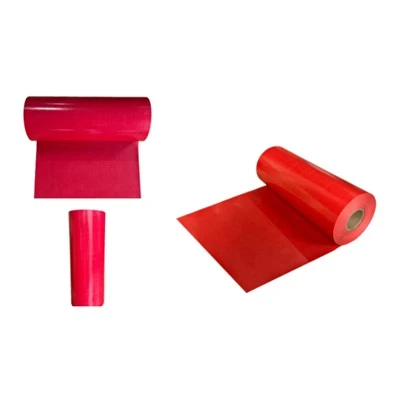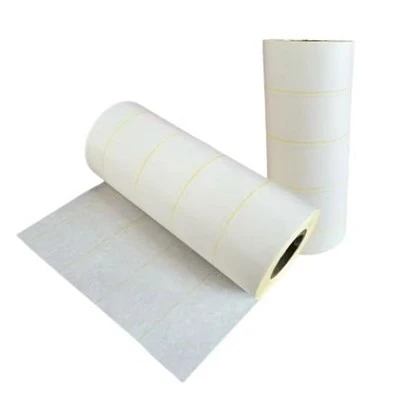
Avoid High-Temperature and Humid Environments
Insulating paper is relatively sensitive to environmental conditions. Prolonged exposure to high-temperature or humid environments can easily lead to moisture absorption, expansion, or aging, thereby compromising its insulating performance. Therefore, during both operation and storage, equipment should be kept in a well-ventilated and dry environment; direct sunlight and proximity to heat sources must be avoided, and ambient temperature and humidity should be maintained within safe limits whenever possible.
Regular Inspection and Cleaning
During use, the insulating paper should be inspected periodically for any anomalies-such as yellowing, cracks, physical damage, or oil stains. Any detected anomalies should be addressed promptly, and the paper replaced if necessary. When cleaning, avoid using strong acids, strong bases, or corrosive solvents; instead, use a clean, soft cloth to wipe gently so as to prevent damage to the paper's structural integrity.
Prevent Mechanical Damage and Compression
Whether installed within equipment or in storage, insulating paper must be protected from heavy pressure, compression, or scratches caused by sharp objects. Excessive pressure or folding can lead to the rupture of the paper layers, thereby impairing its insulating effectiveness. During maintenance procedures, ensure that the insulating paper remains flat and-if wound or layered-is arranged uniformly and tightly to preserve both its mechanical strength and insulating properties.