Environmental Conditions
Insulating sleeving should be stored in a dry, well-ventilated environment, free from moisture and humidity, to prevent the material from absorbing water, swelling, or suffering a decline in performance. Storage temperatures should generally be maintained within the ambient range (approximately 5°C to 35°C) to avoid the adverse effects of extreme heat or cold on the sleeving's properties.
Chemical Exposure
The sleeving should be protected from prolonged exposure to direct sunlight, as ultraviolet (UV) radiation accelerates material aging. Storage areas must be kept away from acids, alkalis, oils, greases, and other corrosive chemicals to prevent material damage or degradation of performance.
Protection Against Compression
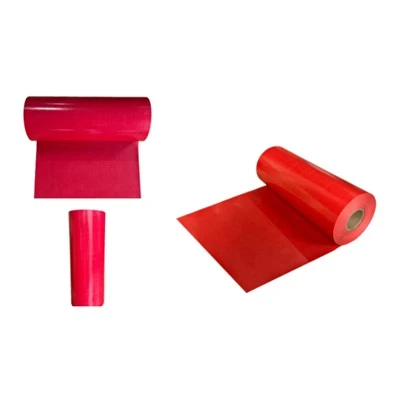
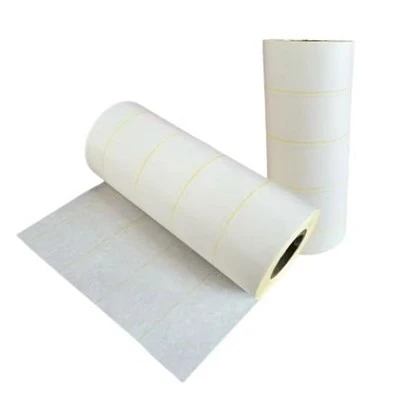
Sleeving should be stacked flat; avoid placing heavy objects on top of it or subjecting it to folding and compression, as this can lead to deformation and permanent damage. For sleeving stored in rolls over extended periods, the core must be kept intact and tidy; ideally, rolls should be stored on shelving units or in dedicated storage containers to prevent moisture absorption or flattening.
Inventory Management
Each batch of sleeving should be clearly labeled with its production date, specifications, model number, and usage requirements to prevent mix-ups and the use of expired material. Inventory management should adhere to the "First-In, First-Out" (FIFO) principle to ensure that materials are utilized within their designated shelf life, thereby maintaining reliable insulating performance.