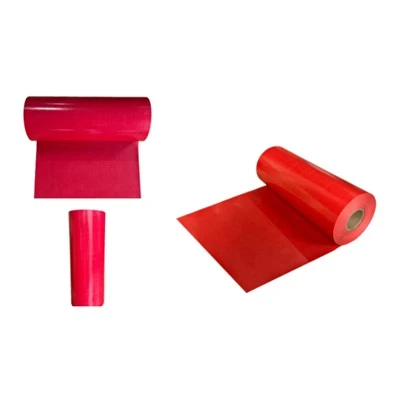
Prepregs can be categorized into various types based on their matrix resin and curing method, thereby catering to diverse application requirements. The most common classification method is based on the resin system. Epoxy resin prepregs are widely utilized in the aerospace, automotive, and electronics sectors due to their exceptional mechanical properties and chemical resistance; phenolic resin prepregs, distinguished by their outstanding high-temperature stability and fire resistance, are frequently employed in the fabrication of composite components for aerospace engines and high-temperature equipment; meanwhile, polyester and vinyl ester resin prepregs find extensive application in large-scale structural components, such as marine vessels and wind turbine blades.
Another common classification approach is based on the curing method. Partially cured prepregs (B-stage prepregs) represent the most widely used type; they remain pliable prior to processing, facilitating easy lay-up and molding. Heat-curable prepregs cure rapidly upon heating to form high-strength structures, whereas thermoplastic prepregs can be repeatedly heated and softened during processing, making them ideal for products with specific requirements regarding molding cycle times and recyclability.
Prepregs can also be classified according to the type of reinforcing fiber used. Carbon fiber prepregs are highly favored for their lightweight nature, high strength, and high modulus, and are primarily utilized in aerospace applications and high-end sporting goods. Glass fiber prepregs, being relatively cost-effective and possessing excellent corrosion resistance, are frequently used in the manufacture of marine vessels, pipelines, and wind turbine blades. Aramid fiber prepregs, characterized by their exceptional toughness and impact resistance, are well-suited for specialized applications such as ballistic protection and protective gear.