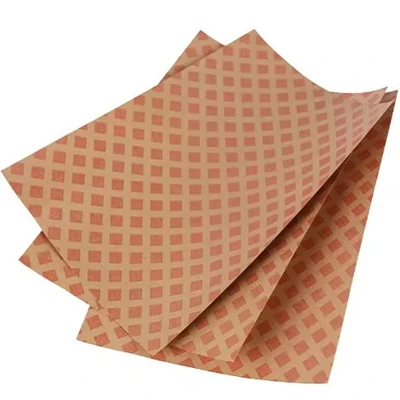

Can yellow waxed tubing be used in the garden?
As a supplier of Yellow Waxed Tubing, I'm often asked about the various applications of our products, and one question that comes up frequently is whether yellow waxed tubing can be used in the garden. In this blog, I'll explore this topic in depth and provide you with all the information you need to make an informed decision.
Properties of Yellow Waxed Tubing
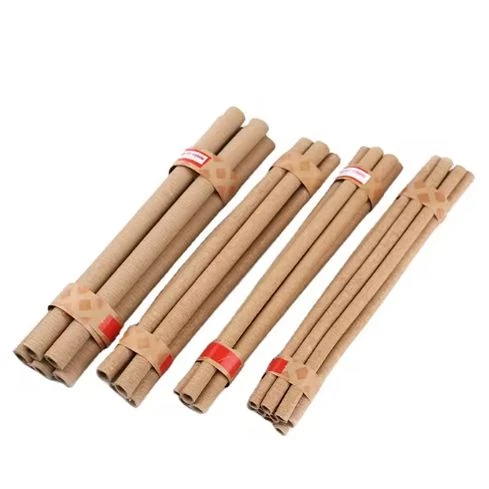
Before we discuss its suitability for garden use, let's first understand the properties of yellow waxed tubing. Yellow Waxed Tubing is typically made from a fabric base that is impregnated with wax. This wax coating gives the tubing several useful properties:
- Water resistance: The wax creates a barrier that repels water, making the tubing suitable for use in wet environments.
- Flexibility: It is flexible enough to be bent and shaped easily, allowing for various applications.
- Durability: The wax and fabric combination provides a certain level of durability, protecting it from abrasion and minor damage.
Potential Uses in the Garden
Plant Support
One of the potential uses of yellow waxed tubing in the garden is for plant support. As plants grow, they may need assistance to stay upright, especially those with heavy stems or large flower heads. You can use the tubing to create support structures in a few ways:
- Trellising: Cut the tubing into appropriate lengths and use it to create a simple trellis for climbing plants such as cucumbers, peas, or beans. Tie the tubing to stakes or a frame to form a grid that the plants can grow through. The flexibility of the tubing allows you to shape it into curves or angles as needed.
- Stem Support: For individual plants with weak stems, you can wrap the yellow waxed tubing around the stem. This will provide gentle support and help prevent the stem from breaking under the weight of the plant or due to wind. The water - resistant property of the tubing ensures that it won't rot quickly when exposed to rain.
Protection Against Pests
Yellow waxed tubing can also be used to provide some protection against pests. Some insects may be deterred by the texture or smell of the wax. You can wrap the tubing around the base of plants to create a physical barrier that pests have difficulty crossing. For example, slugs and snails may find it challenging to move across the smooth, waxed surface of the tubing.
Labeling
In a garden, it's important to keep track of different plants. You can use yellow waxed tubing to create plant labels. Write the name of the plant on a small piece of paper or a plastic tag and then thread it through the tubing. The tubing will protect the label from water damage, ensuring that the information remains legible for a long time.
Considerations for Garden Use
While yellow waxed tubing has many potential benefits in the garden, there are also some considerations to keep in mind:
- UV Resistance: Over time, exposure to sunlight can cause the wax to degrade and the fabric to weaken. If the tubing will be exposed to direct sunlight for long periods, it may not last as long as you would like. You may need to replace the tubing periodically to maintain its functionality.
- Compatibility with Chemicals: If you use pesticides, fertilizers, or other chemicals in your garden, make sure they are compatible with the yellow waxed tubing. Some chemicals may react with the wax or fabric, causing damage to the tubing.
- Size and Thickness: Choose the appropriate size and thickness of the tubing for your garden needs. Thinner tubing may be more suitable for delicate plant support, while thicker tubing can be used for more robust applications such as trellising.
Comparison with Other Garden Materials
To better understand the role of yellow waxed tubing in the garden, let's compare it with some other common garden materials.
- Natural Silicone Tubing: Natural silicone tubing is also flexible and water - resistant. However, it is often more expensive than yellow waxed tubing. Silicone tubing may also have a different texture, which could affect its suitability for certain applications. For example, it may be too slippery for some plant - tying purposes.
- Crepe Paper Tube: Crepe paper tubes are lightweight and inexpensive. They can be used for similar purposes as yellow waxed tubing, such as plant support. However, they are not as water - resistant as waxed tubing and may break down more quickly when exposed to moisture.
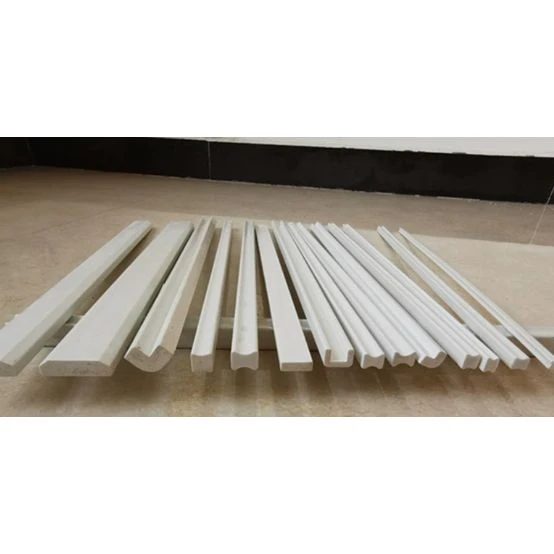
- FRP Dogbone: FRP dogbones are generally used for more heavy - duty applications. They are stronger and more rigid than yellow waxed tubing. While they can provide excellent support for large plants or in commercial garden settings, they may be overkill for small - scale home gardens.
- Double Sided Polyimide Tape: Double - sided polyimide tape is useful for attaching labels or small items, but it is not a good substitute for yellow waxed tubing when it comes to plant support or creating structures.
Conclusion and Call to Action
In conclusion, yellow waxed tubing can be a versatile and useful material in the garden. Its water resistance, flexibility, and durability make it suitable for a range of applications, including plant support, pest protection, and labeling. However, it's important to consider factors such as UV resistance and chemical compatibility when using it in your garden.
If you're interested in using yellow waxed tubing in your garden or have any questions about our products, we'd love to hear from you. Please reach out to us to discuss your specific needs and requirements. We can provide you with more information, samples, and competitive pricing. Let's work together to find the best solution for your garden projects.
References
- Gardening Handbook, 3rd Edition
- Materials for Horticultural Applications, Journal of Agricultural Science