

Insulating films are widely used in buildings for various purposes, such as energy conservation, temperature control, and protection against external elements. One aspect that is often overlooked is how these insulating films can affect the electromagnetic field (EMF) within a building. As an insulating film supplier, I have seen firsthand the growing interest in understanding the relationship between insulating films and EMF. In this blog post, I will explore how insulating film affects the electromagnetic field in a building and discuss the implications for building owners and occupants.
Understanding Electromagnetic Fields in Buildings
Before delving into the impact of insulating film on EMF, it's important to understand what electromagnetic fields are and how they are present in buildings. Electromagnetic fields are a combination of electric and magnetic fields that are generated by the movement of electric charges. In a building, EMF can be produced by a variety of sources, including electrical wiring, appliances, electronic devices, and even natural sources such as the Earth's magnetic field.
There are two main types of EMF: low-frequency (LF) and high-frequency (HF). Low-frequency EMF is typically associated with power lines, electrical appliances, and wiring, while high-frequency EMF is produced by wireless communication devices such as Wi-Fi routers, cell phones, and Bluetooth devices. Both types of EMF can have potential health effects, although the scientific consensus on the extent of these effects is still evolving.
How Insulating Film Can Affect the Electromagnetic Field
Insulating films can have several ways of affecting the electromagnetic field in a building. One of the primary ways is through their electrical properties. Most insulating films are made of materials that have high electrical resistance, which means they can act as a barrier to the flow of electric current. This can have an impact on the distribution of EMF within a building.
Shielding Effect
Some insulating films are designed to have a shielding effect against EMF. These films are typically made of materials that can absorb or reflect electromagnetic radiation. For example, metalized insulating films contain a thin layer of metal, such as aluminum, which can act as a shield against both low-frequency and high-frequency EMF. When installed on windows or walls, these films can reduce the amount of EMF that enters a building from external sources, such as power lines or cell phone towers.
Altering the EMF Distribution
Insulating films can also alter the distribution of EMF within a building. When an insulating film is installed on a surface, it can change the electrical properties of that surface, which in turn can affect the way EMF propagates through the building. For example, if an insulating film is installed on a wall, it can create a boundary that reflects or refracts EMF, causing it to be redistributed in different areas of the building. This can lead to changes in the intensity and pattern of EMF within the building.
Impact on Wireless Signals
In addition to affecting the distribution of EMF, insulating films can also have an impact on wireless signals within a building. Some insulating films, especially those with a high metal content, can act as a barrier to wireless signals, such as Wi-Fi and cell phone signals. This can result in reduced signal strength and coverage within the building. On the other hand, some insulating films are designed to be transparent to wireless signals, allowing them to pass through without significant interference.
Types of Insulating Films and Their EMF Properties
There are several types of insulating films available on the market, each with its own unique properties and potential impact on the electromagnetic field. Here are some common types of insulating films and their EMF characteristics:
Insulating Motor Film
Insulating motor film is typically used in electrical motors and transformers to provide electrical insulation. These films are made of materials such as polyester or polyimide, which have high electrical resistance. While they are primarily designed for use in electrical applications, they can also have some impact on the EMF in a building if they are used in other applications, such as in building insulation.
Polyester Plastic Film
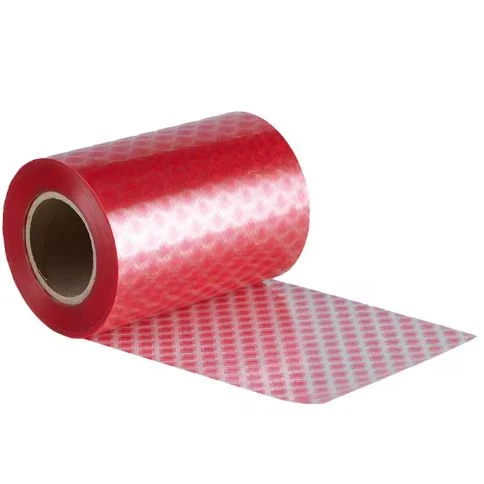
Polyester plastic film is a commonly used insulating film in buildings. It is known for its excellent mechanical and electrical properties, as well as its resistance to heat and moisture. Polyester plastic film can act as a barrier to EMF, although its shielding effectiveness may vary depending on the thickness and composition of the film.
Dispensed Polyester Film
Dispensed polyester film is a type of insulating film that is applied in liquid form and then cured to form a solid film. This type of film is often used in applications where a thin, flexible, and conformal insulation is required. Dispensed polyester film can have similar EMF properties to other polyester films, providing some level of insulation against EMF.
Colorless Polyimide Film
Colorless polyimide film is a high-performance insulating film that is known for its excellent thermal stability, chemical resistance, and electrical insulation properties. It is often used in applications where high-temperature and high-voltage insulation is required, such as in aerospace and electronics. Colorless polyimide film can also have some impact on the EMF in a building, although its specific EMF properties may depend on the application and the thickness of the film.
Implications for Building Owners and Occupants
The impact of insulating film on the electromagnetic field in a building can have several implications for building owners and occupants. Here are some of the key considerations:
Health Concerns
As mentioned earlier, there is ongoing scientific research on the potential health effects of EMF exposure. While the evidence is still inconclusive, some studies have suggested a possible link between long-term EMF exposure and certain health conditions, such as cancer, neurological disorders, and reproductive problems. Building owners and occupants may be concerned about the potential health risks associated with EMF exposure and may want to take steps to reduce their exposure, such as by using insulating films with shielding properties.
Energy Efficiency
Insulating films can also have an impact on the energy efficiency of a building. By reducing the amount of heat transfer through windows and walls, insulating films can help to lower the energy consumption of a building, which in turn can reduce the amount of electricity generated and the associated EMF emissions. This can be beneficial for both the environment and the building's occupants.
Wireless Connectivity
The impact of insulating films on wireless signals can be a concern for building owners and occupants who rely on wireless communication devices, such as Wi-Fi and cell phones. If an insulating film is installed on a surface and it significantly reduces the signal strength and coverage of wireless signals, it can cause inconvenience and frustration for the users. Building owners may need to consider the impact of insulating films on wireless connectivity when selecting and installing insulating films.
Conclusion
In conclusion, insulating films can have a significant impact on the electromagnetic field in a building. They can act as a shield against EMF, alter the distribution of EMF within the building, and affect wireless signals. Building owners and occupants should be aware of these potential effects and consider them when selecting and installing insulating films. As an insulating film supplier, I can provide you with more information about the different types of insulating films available and their EMF properties. If you are interested in learning more about how insulating films can benefit your building, please contact us to discuss your specific needs and requirements.

References
- International Commission on Non-Ionizing Radiation Protection (ICNIRP). (2020). Guidelines on limiting exposure to time-varying electric, magnetic, and electromagnetic fields (up to 300 GHz).
- World Health Organization (WHO). (2018). Electromagnetic fields and public health: Fact sheet N°304.
- National Institute of Environmental Health Sciences (NIEHS). (2021). Electromagnetic fields and health.