


Hey there! As a supplier of Creped Pressboard, I've been thinking a lot about the environmental impacts of its production. In this blog, I'll dive into the ins and outs of what goes on during the manufacturing process and how it affects our planet.
Raw Materials and Their Sourcing
Creped Pressboard is mainly made from wood pulp. The type of wood used can vary, but it's usually sourced from forests. Now, the thing is, logging for wood pulp can have a huge impact on the environment. Deforestation is a major concern. When large areas of forests are cut down, it disrupts the natural habitat of countless species. Animals lose their homes, and the biodiversity of the area takes a nosedive.
Moreover, forests play a crucial role in carbon sequestration. They absorb carbon dioxide from the atmosphere, which helps in reducing the greenhouse effect. When we cut down these forests for wood pulp, we're not only losing a natural carbon sink but also releasing the stored carbon back into the atmosphere. This contributes to global warming and climate change.
But not all wood sourcing is bad. Some suppliers, including us, are committed to sustainable forestry practices. We make sure that the wood we use comes from well - managed forests. These forests are replanted regularly, which means that the overall forest cover can be maintained or even increased over time. This way, we can still get the raw materials we need while minimizing the negative environmental impacts.
Energy Consumption in Production
The production of Creped Pressboard is an energy - intensive process. There are several steps involved, like pulping, pressing, and creping, and each of these steps requires a significant amount of energy. Most of this energy comes from fossil fuels, such as coal and natural gas.
Burning fossil fuels releases large amounts of greenhouse gases, especially carbon dioxide. These gases trap heat in the atmosphere, leading to global warming. The energy consumption in Creped Pressboard production also contributes to air pollution. Particulate matter, sulfur dioxide, and nitrogen oxides are released into the air, which can have harmful effects on human health and the environment.
To address this issue, we're looking into alternative energy sources. Renewable energy, like solar and wind power, can be a great option. By using these sources, we can significantly reduce our carbon footprint and the amount of pollution we generate. Some of our production facilities are already starting to use solar panels to meet a portion of their energy needs.
Water Usage and Pollution
Water is another important aspect of Creped Pressboard production. A large amount of water is used in the pulping process to break down the wood into fibers. This water often gets contaminated with chemicals, such as bleach and dyes, which are used to improve the quality and appearance of the pressboard.
If this contaminated water is released into water bodies without proper treatment, it can have a devastating impact on aquatic life. The chemicals can be toxic to fish, plants, and other organisms, and they can also disrupt the ecological balance of the water ecosystem.
We're taking steps to reduce our water usage and improve water treatment. We've implemented water recycling systems in our factories, which allow us to reuse a significant portion of the water. This not only reduces our water consumption but also minimizes the amount of contaminated water that needs to be treated.
Waste Generation
During the production of Creped Pressboard, there is a fair amount of waste generated. This includes wood chips, sawdust, and leftover pulp. If not managed properly, this waste can take up a lot of space in landfills and can also release methane, a potent greenhouse gas, as it decomposes.
We're trying to find ways to reuse and recycle this waste. For example, the wood chips and sawdust can be used as a source of biomass energy. They can be burned to generate heat or electricity, which can be used in the production process itself. This not only reduces the amount of waste going to landfills but also helps in reducing our reliance on fossil fuels.
Comparing with Other Insulating Materials
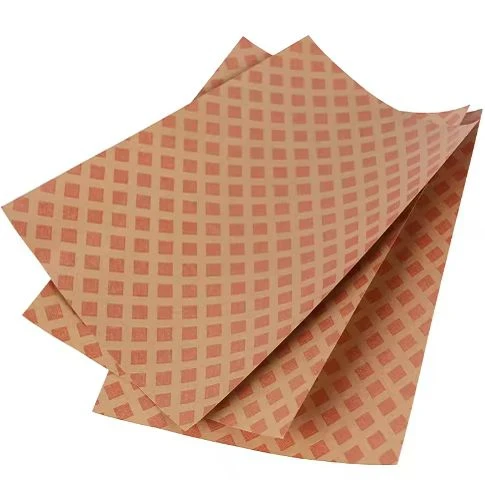
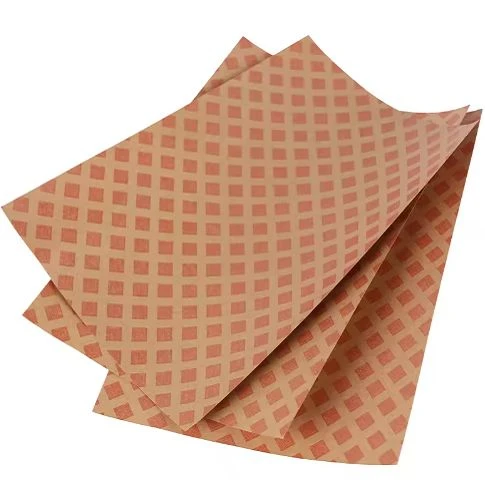
Let's take a look at how Creped Pressboard stacks up against other insulating materials in terms of environmental impact. For example, High - Temperature Diamond - Dotted Paper is another popular insulating material. Its production also has its own set of environmental challenges, such as energy consumption and waste generation.
However, Creped Pressboard has some advantages. It is often made from renewable resources (wood pulp), and with proper sustainable forestry practices, its raw material sourcing can be more environmentally friendly compared to some synthetic insulating materials. On the other hand, Black Semiconductor Crepe Paper and Diamond Dotted Paper may have different production processes and environmental impacts, but they also have their own unique properties and applications.
Our Commitment to Sustainability
As a Creped Pressboard supplier, we're committed to reducing the environmental impacts of our production. We're constantly looking for ways to improve our processes, from sourcing raw materials more sustainably to using renewable energy and reducing waste.
We also encourage our customers to make environmentally conscious choices. By choosing Creped Pressboard from a supplier that is committed to sustainability, they can contribute to a greener future. And if you're in the market for high - quality Creped Pressboard, you can check out our Creped Pressboard product page. We also offer Cord Wrapper For Appliances which is another great product in our insulation range.
If you're interested in purchasing our Creped Pressboard or any of our other products, we'd love to have a chat with you. Feel free to reach out to us for more information and to start a procurement discussion. We're here to provide you with the best products and solutions while also being mindful of the environment.
References
- Smith, J. (2020). Environmental Impacts of Paper Production. Journal of Environmental Science.
- Johnson, A. (2019). Sustainable Forestry Practices. Forestry Research Quarterly.
- Brown, C. (2021). Energy Efficiency in Manufacturing Processes. Industrial Energy Journal.


