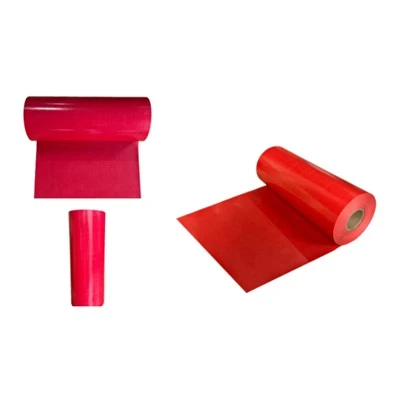
The environmental standards for insulating sleeves encompass three key aspects: material selection, the manufacturing process, and product lifecycle.
Materials must comply with international or national environmental requirements-such as being halogen-free, having low VOC (Volatile Organic Compound) emissions, and containing no harmful heavy metals-to ensure minimal environmental impact throughout the stages of production, usage, and disposal.
The manufacturing process should aim to minimize pollution emissions and resource waste. Modern insulating sleeve manufacturing typically mandates energy conservation and emission reduction-specifically by lowering the discharge of waste gas, wastewater, and solid waste-while simultaneously optimizing processing techniques to enhance material utilization and achieve "green" production.
Upon reaching the end of their service life, insulating sleeves should possess recyclable or biodegradable properties to alleviate the environmental burden. Furthermore, certain high-end products comply with international environmental regulations such as RoHS and REACH, thereby guaranteeing environmental friendliness throughout their entire lifecycle while simultaneously meeting the sustainability requirements of both enterprises and end-users.