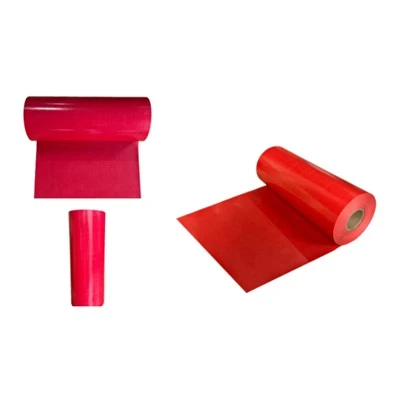
The physicochemical properties of insulating tubing vary significantly depending on the materials used in their manufacture. Common materials for insulating tubing include polytetrafluoroethylene (PTFE), silicone rubber, neoprene, polyvinyl chloride (PVC), epoxy resins, and glass fiber-reinforced composites; each of these exhibits distinct characteristics regarding chemical resistance, thermal stability, electrical performance, and mechanical strength.
Taking PTFE tubing as an example, it possesses exceptional chemical inertness, capable of resisting nearly all industrial chemicals. It features an extremely wide operating temperature range-approximately -330°F to 500°F (or -201°C to 260°C)-as well as superior electrical properties, low permeability, a low coefficient of friction, and a non-stick surface. Furthermore, PTFE tubing complies with FDA standards, making it suitable for food-related applications, and holds UL 94 V-0 flame retardancy certification.
Neoprene insulating tubing offers high elasticity, making it adaptable to various cable diameters; it is resistant to chemicals, oils, and solvents, and demonstrates excellent weather resistance and tolerance to extreme temperatures. Silicone insulating tubing is a halogen-free material suitable for use in harsh environments; it can withstand intermittent temperatures of up to +250°C and is resistant to moisture, chemicals, oils, solvents, and UV radiation. Moreover, it is considered more environmentally friendly than PVC. PVC insulating tubing is highly flexible and available in a wide array of colors; it is frequently utilized for industrial identification purposes, with an operating temperature range of approximately -30°C to +85°C.
Insulating tubing typically exhibits excellent flexibility and elasticity, alongside strong dielectric properties (insulation capabilities) and chemical resistance. Key electrical performance parameters include insulation resistance, arc resistance, breakdown voltage, and dielectric strength. In terms of mechanical properties, tensile strength serves as a crucial performance metric. Additionally, flame resistance is a critical factor in assessing the safety of insulating tubing; the higher the flame resistance, the greater the level of safety provided.