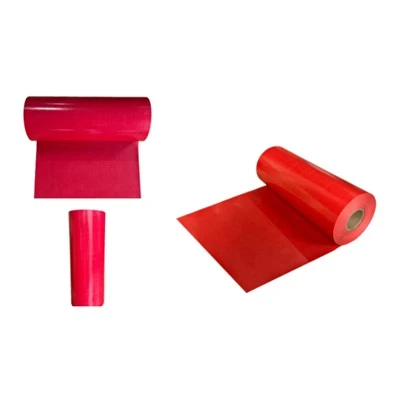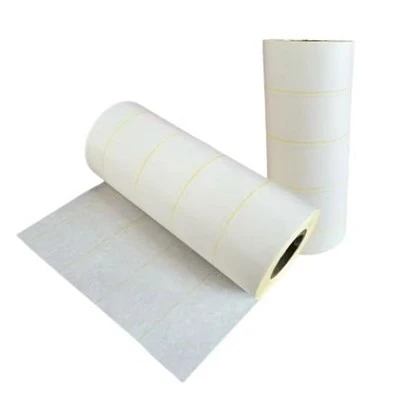
Insulating film is a polymeric material utilized in electrical equipment and electronic components; its primary function is to provide electrical insulation protection, thereby preventing current leakage and short circuits. Compared to traditional insulating paper, insulating films typically exhibit greater thickness uniformity, more stable electrical properties, and superior resistance to heat and chemical corrosion. Commonly used materials include polyester (PET), polyimide (PI), polytetrafluoroethylene (PTFE), and polyethylene (PE); each material possesses distinct characteristics regarding temperature resistance, mechanical strength, and dielectric properties, allowing for selection based on specific application requirements.
Insulating films find extensive application within electrical equipment. For instance, in transformers, electric motors, switchgear, and capacitors, these films are employed for winding insulation, interlayer insulation, or surface covering to ensure the safe operation of equipment in high-voltage environments. In the electronics industry, insulating films are also frequently used in printed circuit boards (PCBs), cable sheathing, and flexible circuit boards, providing reliable electrical insulation protection for precision electronic components.
Furthermore, insulating films are characterized by their lightweight nature, excellent flexibility, and ease of processing. They can be combined with other insulating materials-through processes such as winding, lamination, or compounding-to form multi-layer insulation systems capable of meeting the operational demands of high-voltage, high-temperature, or chemically corrosive environments. These advantages render insulating films an indispensable foundational insulating material in modern electrical and electronic equipment.