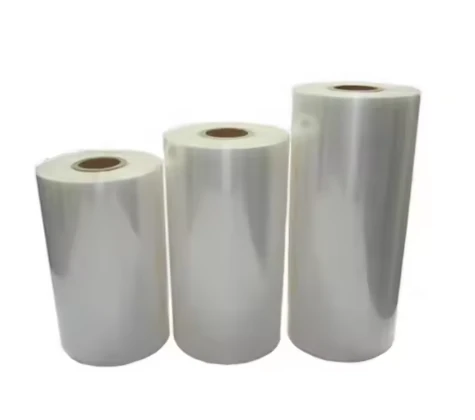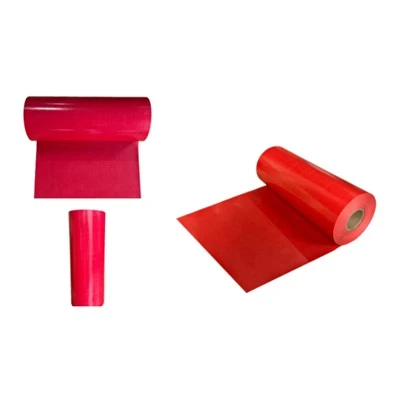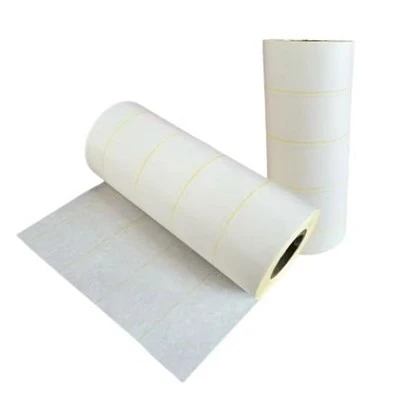
Provides Electrical Insulation Protection
The primary function of an insulating film is to isolate live components from ground or other conductors, thereby preventing current leakage and short circuits. By leveraging its inherent high electrical resistance, it establishes a stable insulating layer within electrical equipment and electronic components, ensuring that current flows along its intended path and safeguarding the operational safety of the equipment.
Enhances Thermal and Environmental Resistance
Modern insulating films are typically manufactured from polymer materials characterized by high thermal resistance and chemical stability-such as polyimide (PI) and polytetrafluoroethylene (PTFE). These films not only retain their mechanical strength and insulating properties in high-temperature environments but also withstand moisture, oil contamination, and chemical corrosion, thereby enabling equipment to operate stably over extended periods in complex environmental conditions.
Offers Mechanical Protection and Structural Support
Insulating films are characterized by their lightweight nature, excellent flexibility, and ease of processing. They are compatible with various manufacturing processes-such as winding and lamination-and can be compounded with other insulating materials to enhance overall structural integrity. This serves to prevent damage to windings caused by vibration, friction, or compressive stress. In this manner, insulating films effectively fulfill the dual role of providing both electrical insulation and a degree of mechanical protection.