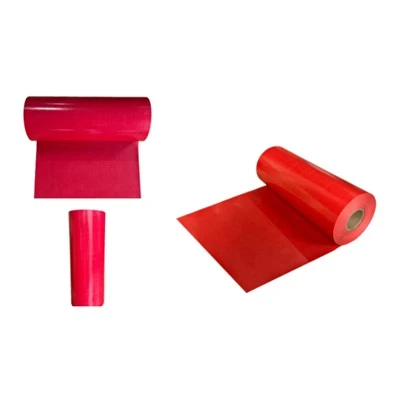
Moisture and Water Protection
Insulating paper is highly sensitive to humidity; upon exposure to moisture, it is prone to absorbing water, swelling, sticking together, or suffering a degradation in its insulating properties. Therefore, moisture-proof packaging-such as plastic film, aluminum foil bags, or moisture-resistant cartons-must be utilized during transport to prevent direct contact with rain, liquids, or high-humidity environments.
Protection Against Compression and Folding
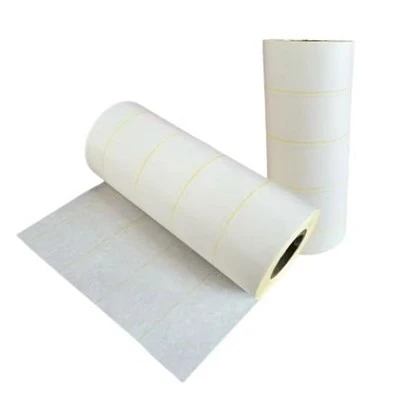
Insulating paper is typically thin and susceptible to deformation under pressure or damage from folding. During transport, paper rolls or sheets should be stacked flat and evenly; care must be taken to avoid stacking them too high or placing heavy objects on top of them. For long-distance shipments, cushioning materials should be added inside the packaging to absorb vibrations and prevent mechanical damage caused by impacts or collisions.
Avoid High Temperatures and Direct Sunlight
High temperatures accelerate the aging of the resins or fibers within the insulating paper, thereby compromising its insulating performance. Consequently, transport vehicles should, whenever possible, avoid prolonged exposure to direct sunlight; furthermore, the temperature of both the transport and storage environments must be maintained within the specific heat-resistance rating range of the paper.
Labeling and Identification
During transport, packaging must be clearly marked with labels indicating "Sensitive to Moisture," "Handle with Care," and product specifications to alert handling personnel to the need for careful protection. Additionally, such labeling facilitates the receiving and inspection processes, thereby helping to ensure both safety during transit and the integrity of the materials.