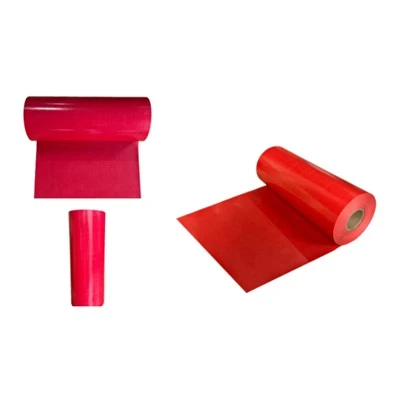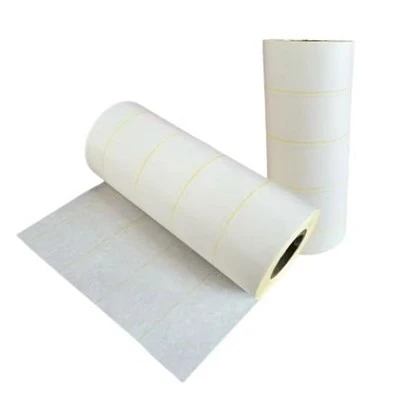
The manufacturing process for flexible composite materials typically comprises three main stages: substrate preparation, composite molding, and post-processing. During the substrate preparation phase, an appropriate flexible substrate-such as non-woven fabric, polyester film, fiberglass cloth, or polymer elastomers-is selected based on the intended application of the material. To enhance the bonding performance between disparate materials, the substrate surface typically undergoes cleaning, drying, or plasma treatment during production; this serves to boost surface activity and adhesion capabilities, thereby establishing a stable foundation for subsequent composite operations.
Common processing techniques include hot-press lamination, adhesive bonding, coating lamination, and layer-by-layer lamination. Among these, hot-press lamination utilizes heat and pressure to bond multiple material layers into a cohesive whole, making it suitable for the production of insulation materials and flexible electronics. Adhesive bonding, conversely, achieves material cohesion through the use of resins or polymer adhesives, offering advantages such as process flexibility and high adaptability. For flexible composite materials with demanding functional requirements, conductive fillers, nanoparticles, or reinforcing fibers may be incorporated to enhance the material's electrical conductivity, wear resistance, and mechanical strength. Throughout the entire composite process, strict control over parameters such as temperature, pressure, and duration is essential to ensure the stability of the material's performance.
Upon completion of the composite process, the material undergoes further post-processing treatments to further optimize its functional performance and product quality. Common post-processing steps include curing, slitting, embossing, surface coating, and performance testing. For instance, thermal curing can reinforce the internal structural stability of the material, thereby improving its resistance to heat and aging; meanwhile, surface coating treatments can enhance properties such as water repellency, corrosion resistance, or anti-static capabilities.