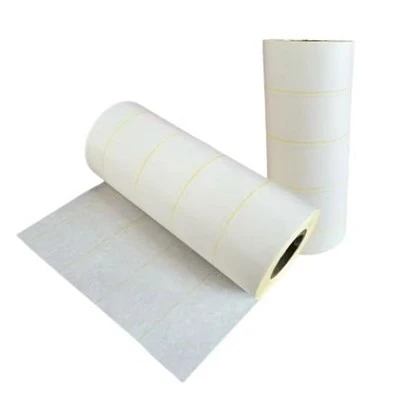
Flexible composite materials currently primarily adhere to the national standard system for electrical insulating materials; central among these are the standards within the Flexible Composite Materials for Electrical Insulation series. This series establishes unified regulations regarding material definitions, classifications, performance requirements, and testing methods, serving as a crucial foundation for industry production, testing, and quality control. Specifically, GB/T 5591.1-2017 outlines the definitions, terminology, and general technical requirements for flexible composite materials; GB/T 5591.2-2017 focuses on standardizing the testing methods for material properties; and GB/T 5591.3-2018 clearly defines the classification, nomenclature, and supply requirements for various types of these materials.
In practical applications, industry standards for flexible composite materials typically center on properties such as heat resistance, flexibility, insulation performance, mechanical strength, and aging resistance. For instance, JB/T 3730-2015 establishes a "rolled-tube inspection voltage method" testing system specifically for assessing the heat resistance of materials, applicable to flexible composite insulating materials of relatively thin gauge. Such standards not only enhance product consistency but also provide a unified basis for evaluating materials utilized in electric motors, electrical equipment, and the new energy sector.
With the advancement of flexible electronics, intelligent manufacturing, and the high-performance composite materials industry, the standard system for flexible composite materials is undergoing continuous refinement. Domestic standards are currently being progressively aligned with international IEC standards; for example, GB/T 5591.1-2017 has adopted IEC 60626-1:2009 as a reference, thereby rendering my country's flexible composite materials more internationally aligned in terms of technical specifications, testing protocols, and quality certification. This initiative not only facilitates the enhancement of product quality among domestic enterprises but also bolsters the competitiveness of these materials within the global market.