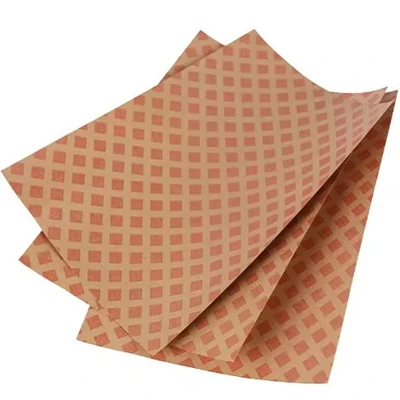

Insulation boards play a crucial role in various industries, offering a range of benefits from energy efficiency to safety. As a leading insulation board supplier, I am often asked whether insulation boards can be used in industrial facilities. The answer is a resounding yes, and in this blog, I will explore the reasons why insulation boards are an excellent choice for industrial applications, the types of insulation boards suitable for industrial use, and how they can contribute to the overall efficiency and safety of industrial facilities.
Why Use Insulation Boards in Industrial Facilities?
Energy Efficiency
One of the primary reasons for using insulation boards in industrial facilities is to improve energy efficiency. Industrial facilities often consume large amounts of energy for heating, cooling, and other processes. Insulation boards can help reduce energy consumption by minimizing heat transfer between the interior and exterior of the building. By keeping the interior temperature stable, insulation boards reduce the load on heating and cooling systems, leading to significant energy savings. For example, in a manufacturing plant, proper insulation can prevent heat loss during the winter and heat gain during the summer, resulting in lower energy bills and a reduced carbon footprint.
Temperature Control
Industrial processes often require specific temperature conditions to operate efficiently. Insulation boards can help maintain a consistent temperature within the facility, ensuring that equipment and processes function optimally. For instance, in a food processing plant, insulation boards can help keep the storage areas at the required temperature, preventing spoilage of food products. In a chemical manufacturing plant, insulation can help control the temperature of reaction vessels, ensuring the safety and efficiency of chemical reactions.
Noise Reduction
Industrial facilities are often noisy environments due to the operation of machinery and equipment. Insulation boards can help reduce noise levels by absorbing and dampening sound waves. This not only improves the working environment for employees but also reduces the impact of noise on the surrounding community. For example, in a power plant, insulation boards can be used to line the walls and ceilings of the control room, reducing the noise from generators and other equipment.
Fire Safety
Insulation boards can also contribute to fire safety in industrial facilities. Many insulation boards are made from fire-resistant materials that can help prevent the spread of fire. In the event of a fire, insulation boards can act as a barrier, slowing down the spread of flames and giving employees more time to evacuate. For example, in a warehouse storing flammable materials, fire-resistant insulation boards can be used to separate different storage areas, reducing the risk of a fire spreading throughout the facility.
Types of Insulation Boards Suitable for Industrial Use
3240 Epoxy Board
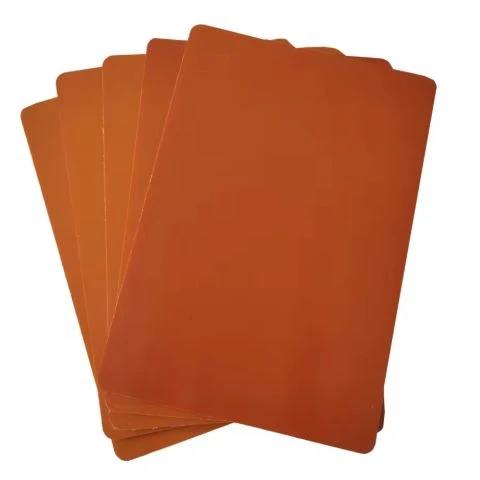
3240 Epoxy Board is a high-performance insulation board that is widely used in industrial applications. It is made from epoxy resin and glass fiber cloth, which gives it excellent mechanical and electrical properties. 3240 Epoxy Board has high strength, good heat resistance, and excellent electrical insulation properties. It is commonly used in electrical equipment, such as transformers, motors, and switchgear, as well as in industrial machinery and equipment that require high-performance insulation.
Electrical Pressboard
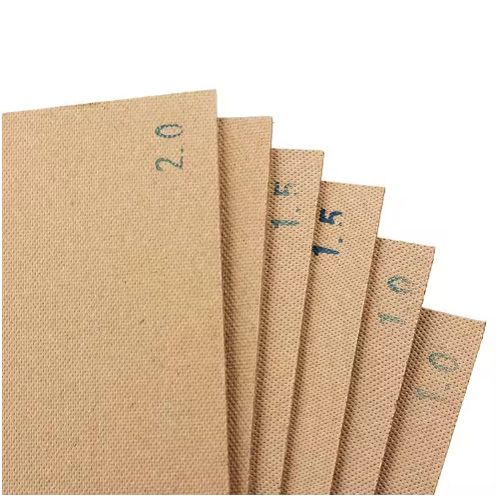
Electrical Pressboard is another type of insulation board that is commonly used in industrial facilities. It is made from wood pulp or other fibers that are compressed and treated with special chemicals to improve its electrical insulation properties. Electrical Pressboard is widely used in electrical transformers, where it provides insulation between the windings and other components. It also has good mechanical strength and can withstand high temperatures, making it suitable for use in harsh industrial environments.
3021 Phenolic Paperboard
3021 Phenolic Paperboard is a type of insulation board that is made from phenolic resin and paper. It has good mechanical strength, heat resistance, and electrical insulation properties. 3021 Phenolic Paperboard is commonly used in electrical applications, such as printed circuit boards, as well as in industrial machinery and equipment that require insulation. It is also relatively inexpensive compared to other types of insulation boards, making it a cost-effective choice for many industrial applications.
Practical Applications of Insulation Boards in Industrial Facilities
HVAC Systems
Insulation boards are commonly used in HVAC (Heating, Ventilation, and Air Conditioning) systems in industrial facilities. They are used to insulate ducts, pipes, and equipment to prevent heat loss or gain. By insulating HVAC systems, insulation boards can improve the efficiency of the system, reduce energy consumption, and extend the lifespan of the equipment. For example, in a large commercial building, insulation boards can be used to insulate the air ducts, preventing the cooled or heated air from escaping before it reaches the intended areas.
Industrial Ovens and Furnaces
In industrial ovens and furnaces, insulation boards are used to line the interior walls and ceilings to prevent heat loss. This not only improves the energy efficiency of the oven or furnace but also reduces the operating costs. Insulation boards can also help protect the surrounding environment from high temperatures, reducing the risk of fire and injury. For example, in a steel manufacturing plant, insulation boards are used to insulate the furnaces, ensuring that the heat is retained inside the furnace for the efficient melting of steel.
Cold Storage Facilities
Cold storage facilities, such as refrigerated warehouses and food processing plants, require effective insulation to maintain low temperatures. Insulation boards are used to insulate the walls, floors, and ceilings of cold storage facilities to prevent heat transfer from the outside. This helps keep the interior temperature stable and reduces the energy consumption of the refrigeration system. For example, in a large cold storage warehouse, insulation boards can be used to create insulated panels that are installed on the walls and ceilings, providing a high level of thermal insulation.
Considerations When Using Insulation Boards in Industrial Facilities
Compatibility with Equipment and Processes
When selecting insulation boards for industrial facilities, it is important to consider their compatibility with the equipment and processes used in the facility. For example, in some industrial processes, the insulation boards may be exposed to chemicals, high temperatures, or mechanical stress. In such cases, it is important to choose insulation boards that can withstand these conditions without deteriorating or losing their insulation properties.
Installation and Maintenance
Proper installation and maintenance of insulation boards are crucial to ensure their effectiveness and longevity. Insulation boards should be installed by trained professionals who follow the manufacturer's instructions. Regular maintenance should also be carried out to check for any damage or deterioration of the insulation boards. For example, in a high-temperature environment, the insulation boards may need to be inspected regularly for signs of cracking or melting.
Compliance with Regulations
Industrial facilities are subject to various regulations and standards regarding insulation and fire safety. When using insulation boards in industrial facilities, it is important to ensure that they comply with these regulations. For example, in some countries, insulation boards used in industrial buildings must meet certain fire resistance ratings.
Conclusion
In conclusion, insulation boards can be effectively used in industrial facilities to improve energy efficiency, control temperature, reduce noise, and enhance fire safety. As an insulation board supplier, I offer a wide range of insulation boards, including 3240 Epoxy Board, Electrical Pressboard, and 3021 Phenolic Paperboard, that are suitable for various industrial applications. If you are looking for high-quality insulation boards for your industrial facility, I encourage you to contact me to discuss your specific requirements. Our team of experts can help you select the right insulation boards for your needs and provide professional installation and maintenance services.
References
- ASHRAE Handbook of Fundamentals.
- National Fire Protection Association (NFPA) Standards.
- ASTM International Standards for Insulation Materials.