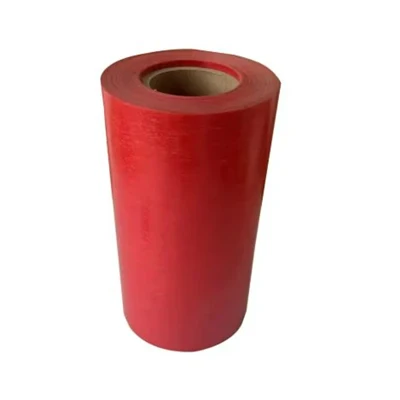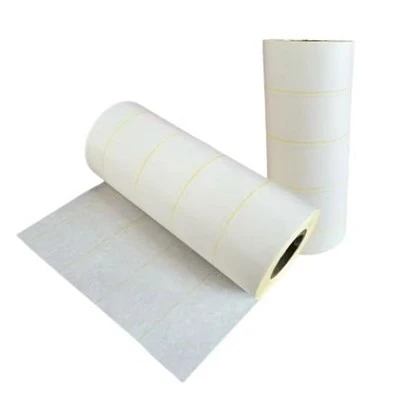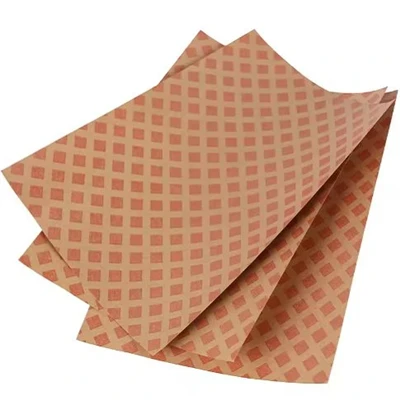

As a supplier of NMN Insulation Paper, I am often asked about the magnetic properties of this remarkable material. In this blog post, I will delve into the magnetic characteristics of NMN Insulation Paper, exploring its behavior in magnetic fields and its implications for various applications.
Understanding NMN Insulation Paper
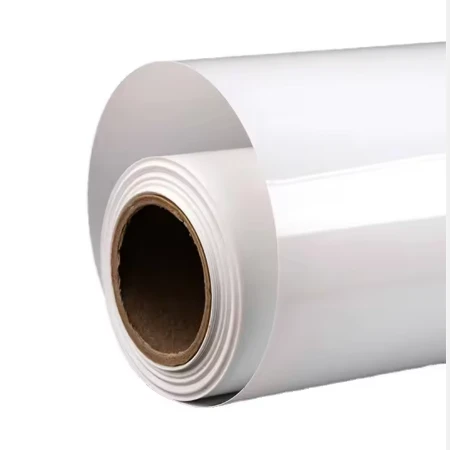
NMN Insulation Paper is a composite material widely used in electrical insulation applications. It consists of a layer of polyester film (PET) sandwiched between two layers of aramid paper. This combination of materials offers excellent electrical and mechanical properties, making it suitable for use in high-voltage transformers, motors, generators, and other electrical equipment.
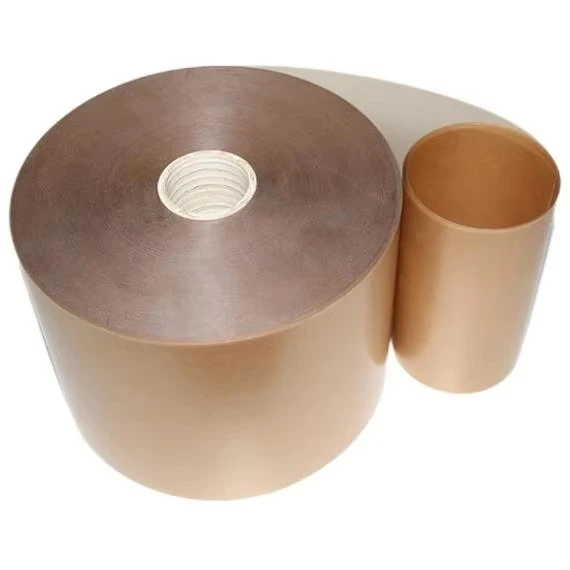
Magnetic Properties of Materials
Before discussing the magnetic properties of NMN Insulation Paper, it is essential to understand the basic concepts of magnetism. Materials can be classified into three main categories based on their magnetic behavior: diamagnetic, paramagnetic, and ferromagnetic.
-
Diamagnetic Materials: Diamagnetic materials are those that are weakly repelled by a magnetic field. They have no permanent magnetic moments and are induced to create a magnetic field in the opposite direction of the applied field. Examples of diamagnetic materials include copper, silver, gold, and water.
-
Paramagnetic Materials: Paramagnetic materials are those that are weakly attracted to a magnetic field. They have unpaired electrons, which create a net magnetic moment. When placed in a magnetic field, these magnetic moments align with the field, resulting in a weak attraction. Examples of paramagnetic materials include aluminum, platinum, and oxygen.
-
Ferromagnetic Materials: Ferromagnetic materials are those that are strongly attracted to a magnetic field. They have a large number of unpaired electrons and can retain a magnetic field even after the external field is removed. Examples of ferromagnetic materials include iron, nickel, and cobalt.
Magnetic Properties of NMN Insulation Paper
NMN Insulation Paper is primarily composed of non-magnetic materials, namely polyester film and aramid paper. Polyester is a diamagnetic material, while aramid fibers are generally considered to be non-magnetic. As a result, NMN Insulation Paper exhibits diamagnetic behavior.
In the presence of a magnetic field, NMN Insulation Paper will be weakly repelled. This diamagnetic effect is relatively small compared to ferromagnetic or paramagnetic materials, and it has little practical impact on most electrical applications. However, in certain high-precision applications where even the slightest magnetic interference can be problematic, the diamagnetic properties of NMN Insulation Paper can be an advantage.
Applications of NMN Insulation Paper in Magnetic Environments
Despite its weak diamagnetic properties, NMN Insulation Paper is commonly used in electrical equipment that operates in magnetic fields. Here are some examples of its applications:
-
Transformers: Transformers are devices that transfer electrical energy between two or more circuits through electromagnetic induction. NMN Insulation Paper is used to insulate the windings of transformers, protecting them from electrical breakdown and short circuits. The diamagnetic properties of NMN Insulation Paper help to reduce magnetic interference and improve the efficiency of the transformer.
-
Motors and Generators: Motors and generators are devices that convert electrical energy into mechanical energy or vice versa. NMN Insulation Paper is used to insulate the stator and rotor windings of motors and generators, ensuring reliable operation in high-temperature and high-voltage environments. The diamagnetic properties of NMN Insulation Paper help to minimize magnetic losses and improve the performance of the motor or generator.
-
Electrical Switchgear: Electrical switchgear is used to control, protect, and isolate electrical circuits. NMN Insulation Paper is used to insulate the contacts and busbars of switchgear, preventing electrical arcing and short circuits. The diamagnetic properties of NMN Insulation Paper help to reduce magnetic interference and improve the reliability of the switchgear.
Comparison with Other Insulation Papers
When considering the magnetic properties of NMN Insulation Paper, it is useful to compare it with other types of insulation papers commonly used in electrical applications. Here is a brief comparison of NMN Insulation Paper with PMP Insulation Paper, PET Insulation Paper, AHA Insulation Paper, 6520 Barley Paper Lamination, and AMA Insulation Paper:
-
PMP Insulation Paper: PMP Insulation Paper is a high-performance insulation material that offers excellent thermal and electrical properties. It is also diamagnetic, similar to NMN Insulation Paper. However, PMP Insulation Paper is typically more expensive than NMN Insulation Paper, making it less cost-effective for some applications.
-
PET Insulation Paper: PET Insulation Paper is a widely used insulation material that is known for its excellent electrical and mechanical properties. It is also diamagnetic, but it has a lower temperature rating than NMN Insulation Paper. As a result, PET Insulation Paper is not suitable for use in high-temperature applications.
-
AHA Insulation Paper: AHA Insulation Paper is a composite insulation material that offers excellent thermal and electrical properties. It is also diamagnetic, but it has a higher cost than NMN Insulation Paper. AHA Insulation Paper is typically used in high-end electrical equipment where performance and reliability are critical.
-
6520 Barley Paper Lamination: 6520 Barley Paper Lamination is a traditional insulation material that is commonly used in low-voltage electrical applications. It is not diamagnetic, and it has relatively poor electrical and mechanical properties compared to NMN Insulation Paper. As a result, 6520 Barley Paper Lamination is not suitable for use in high-voltage or high-temperature applications.
-
AMA Insulation Paper: AMA Insulation Paper is a high-performance insulation material that offers excellent thermal and electrical properties. It is also diamagnetic, but it has a higher cost than NMN Insulation Paper. AMA Insulation Paper is typically used in high-end electrical equipment where performance and reliability are critical.
Conclusion
In conclusion, NMN Insulation Paper exhibits diamagnetic behavior due to its composition of non-magnetic materials. While its diamagnetic properties are relatively weak, they can be beneficial in certain high-precision applications where magnetic interference needs to be minimized. NMN Insulation Paper is widely used in electrical equipment that operates in magnetic fields, such as transformers, motors, generators, and electrical switchgear.
If you are interested in purchasing NMN Insulation Paper or have any questions about its magnetic properties or other applications, please feel free to contact us for further discussion and potential procurement opportunities.
References
- "Electrical Insulation for Rotating Machines: Design, Evaluation, Aging, Testing, and Repair" by G. C.Stone, E. A. Boulter, Ian Culbert, and Hussein Dhirani.
- "Insulation Materials and Systems for Electrical Equipment" by J. P. Harney.
- "Handbook of Electrical Insulating Materials" by R. J. Diani.