
Hey there! As an insulating sleeve supplier, I often get asked about the UV resistance of our products, especially when it comes to outdoor use. So, let's talk about what UV resistance means for an insulating sleeve and how it affects our offerings.
First off, what's UV resistance? UV, or ultraviolet, rays are a part of sunlight. They can be pretty harsh on materials over time. When an insulating sleeve is exposed to UV rays, it can cause a bunch of problems. The material might start to break down, become brittle, or lose some of its insulating properties. This is a big deal, especially for outdoor applications where the sleeve is constantly under the sun.

Now, let's dig into the different types of insulating sleeves we offer and how they hold up against UV rays.
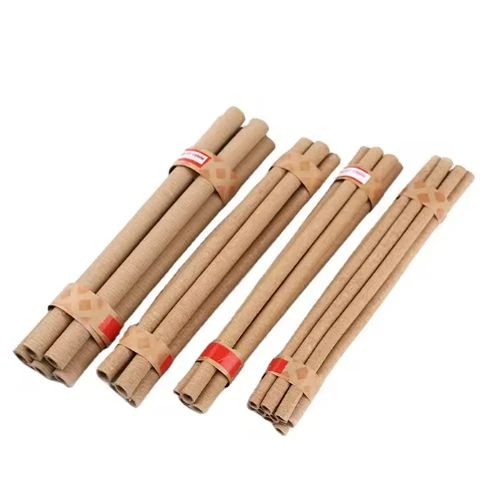
Crepe Paper Tube
Our Crepe Paper Tube is a popular choice for many applications. But how does it fare in the face of UV? Well, crepe paper is a natural material, and like most natural materials, it's not super resistant to UV on its own. When exposed to sunlight for long periods, the paper can start to fade and become weaker. However, we've taken steps to improve its UV resistance. We use special coatings and treatments that help protect the paper from the harmful effects of UV rays. These treatments add a layer of protection, extending the lifespan of the tube when used outdoors. But it's still important to note that it's not completely immune. If it's in an area with extremely high UV exposure, it might need to be replaced more often compared to other materials.
Yellow Waxed Tubing
Next up is our Yellow Waxed Tubing. The wax coating on this tubing plays a crucial role in its UV resistance. The wax acts as a barrier, shielding the inner material from the sun's UV rays. It helps prevent the tubing from drying out and cracking, which are common issues caused by UV exposure. This makes the yellow waxed tubing a great option for outdoor use. It can withstand a fair amount of sunlight without significant degradation. However, over time, the wax can start to wear off, especially if it's exposed to harsh weather conditions. So, periodic checks and maintenance might be needed to ensure its long - term performance.
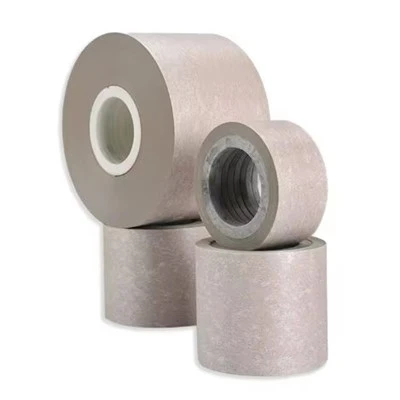
Double Sided Polyimide Tape
The Double Sided Polyimide Tape is another product we're proud of. Polyimide is a synthetic material known for its excellent heat resistance, but what about UV? Polyimide has a relatively high level of natural UV resistance. It can hold up well against sunlight for extended periods without losing its adhesive properties or its insulating abilities. This makes it a reliable choice for outdoor applications where you need a durable and UV - resistant insulating solution. Whether it's used in electrical wiring or other outdoor projects, the double - sided polyimide tape can stand the test of time under the sun.
FRP Dogbone
Our FRP Dogbone is made from fiberglass - reinforced plastic (FRP). FRP is a strong and durable material, and it also has good UV resistance. The fiberglass in the material helps to scatter and absorb UV rays, protecting the plastic matrix. This means that the FRP dogbone can be used outdoors without worrying too much about UV damage. It can maintain its shape, strength, and insulating properties even after long - term exposure to sunlight. However, just like any material, extreme UV conditions over a very long time might still have a minor impact, but it's much less compared to other materials.
Natural Silicone Tubing
Finally, let's talk about our Natural Silicone Tubing. Silicone is known for its flexibility and heat resistance, but it also has decent UV resistance. The chemical structure of silicone makes it resistant to the degradation caused by UV rays. It can stay flexible and maintain its insulating properties even when exposed to sunlight. However, if the silicone tubing is in direct sunlight for years on end, it might start to show some signs of aging, like a slight change in color or a bit of surface hardening. But overall, it's a great option for outdoor applications where you need a UV - resistant and flexible insulating sleeve.
So, how do we test the UV resistance of our insulating sleeves? We use a combination of real - world testing and laboratory simulations. In the real - world tests, we place samples of our sleeves in different outdoor environments, from sunny beaches to high - altitude areas with intense sunlight. We then monitor their performance over time, looking for any signs of degradation. In the lab, we use UV lamps that mimic the sun's rays to accelerate the aging process. This allows us to quickly assess how well a material will hold up against UV over a long period.
When choosing an insulating sleeve for outdoor use, it's important to consider the level of UV exposure in the area. If it's a place with very high UV levels, like a desert or a tropical region, you might want to choose a material with higher UV resistance, like the double - sided polyimide tape or the FRP dogbone. On the other hand, if the UV exposure is moderate, the yellow waxed tubing or the natural silicone tubing could be great options.
If you're in the market for an insulating sleeve for your outdoor project, don't hesitate to reach out. We're here to help you choose the right product based on your specific needs. Whether you need something with high UV resistance or other specific properties, we've got a solution for you. Just start a conversation with us, and we'll work together to find the perfect insulating sleeve for your job.
References
- "Handbook of Polymer Science and Technology: Volume 3 - Engineering Plastics"
- "Materials Science and Engineering: An Introduction" by William D. Callister Jr.
- "UV Degradation of Polymers" research papers from various scientific journals.