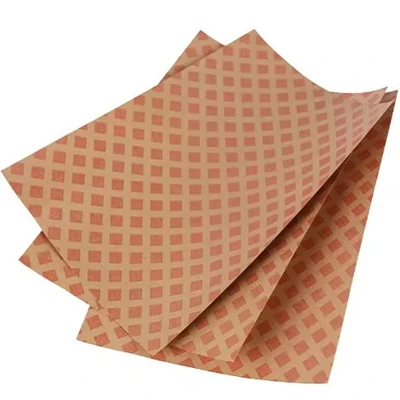

As a supplier of DMD Insulation Paper, I've often been asked whether this product can be used in the aerospace industry. This question is not only a reflection of the industry's demand for high - performance insulation materials but also a challenge to the adaptability of DMD Insulation Paper. In this blog, I'll delve into the properties of DMD Insulation Paper, the requirements of the aerospace industry, and analyze whether DMD Insulation Paper can meet the needs of this high - end field.
Properties of DMD Insulation Paper
DMD Insulation Paper is a composite insulation material, which is usually composed of two layers of polyester fiber non - woven fabric and a layer of PET Polyester Film in the middle. This unique structure endows it with a series of excellent properties.

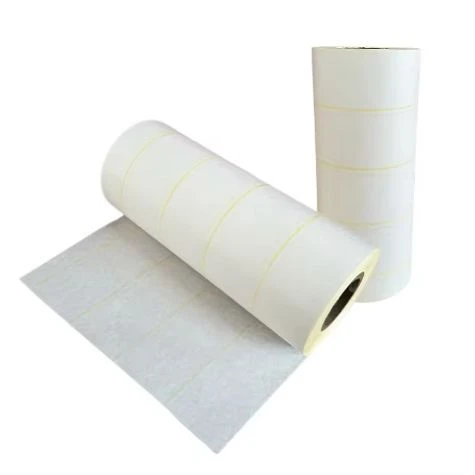
First of all, DMD Insulation Paper has good mechanical strength. The polyester fiber non - woven fabric on both sides provides a certain degree of flexibility and toughness, which can withstand a certain amount of external force without being easily damaged. This property is crucial for insulation materials, as they may be subjected to vibration, impact and other forces during use.
Secondly, it has excellent electrical insulation performance. The PET Polyester Film in the middle plays a key role in blocking the passage of current, effectively preventing electrical breakdown and short - circuits. This ensures the safe operation of electrical equipment and reduces the risk of electrical accidents.
In addition, DMD Insulation Paper also has good heat resistance. It can maintain its physical and chemical properties within a certain temperature range, and will not be deformed or decomposed due to high temperature. This makes it suitable for use in some high - temperature environments.
Requirements of the Aerospace Industry
The aerospace industry has extremely high requirements for materials, and insulation materials are no exception.
Extreme Environmental Adaptability
In the aerospace environment, insulation materials need to withstand extreme temperature changes. From the extremely cold environment of outer space to the high - temperature generated during the re - entry of the spacecraft into the atmosphere, the insulation materials must maintain stable performance. For example, in the vacuum environment of outer space, the temperature can drop to minus hundreds of degrees Celsius, while during the re - entry process, the surface temperature of the spacecraft can reach thousands of degrees Celsius.
Lightweight
Weight is a crucial factor in the aerospace industry. Every gram of weight reduction can save a lot of fuel and increase the payload of the spacecraft. Therefore, insulation materials need to be as lightweight as possible while meeting performance requirements.
High - reliability
The aerospace system is a complex and high - risk system. Any failure of insulation materials may lead to serious consequences, such as electrical system failures, equipment damage, and even endanger the safety of astronauts. Therefore, insulation materials must have high reliability and long - term stability.
Radiation Resistance
In outer space, there are a large number of high - energy particles and radiation, such as cosmic rays and solar flares. These radiations can damage the structure and performance of materials. Insulation materials need to have certain radiation resistance to ensure their normal operation in the radiation environment.
Can DMD Insulation Paper Meet the Requirements of the Aerospace Industry?
Temperature Adaptability
Although DMD Insulation Paper has good heat resistance, its ability to withstand extreme temperature changes in the aerospace environment is limited. The heat - resistant temperature of DMD Insulation Paper is usually within a few hundred degrees Celsius, which is far from meeting the requirements of the extremely high - temperature environment during the re - entry of the spacecraft. In addition, in the extremely cold environment of outer space, the brittleness of DMD Insulation Paper may increase, which may lead to cracking and affect its insulation performance.
Lightweight
DMD Insulation Paper has a certain advantage in terms of weight. Compared with some traditional insulation materials, its density is relatively low, which can help reduce the weight of the equipment to a certain extent. However, in the aerospace industry, more lightweight and high - performance insulation materials are still being pursued, and DMD Insulation Paper may not be the best choice in this regard.
Reliability
The reliability of DMD Insulation Paper mainly depends on its manufacturing process and quality control. In a relatively stable terrestrial environment, DMD Insulation Paper can maintain good performance. However, in the complex and harsh aerospace environment, factors such as vibration, impact, and temperature changes may affect its reliability. For example, long - term vibration may cause the layers of DMD Insulation Paper to delaminate, which will reduce its insulation performance.
Radiation Resistance
DMD Insulation Paper does not have inherent radiation - resistant properties. High - energy radiation in outer space can damage the molecular structure of DMD Insulation Paper, leading to a decrease in its insulation performance and mechanical strength. Therefore, it needs to be modified or combined with other radiation - resistant materials to be used in the aerospace environment.
Comparison with Other Insulation Papers in the Aerospace Industry
There are several other insulation papers that are often considered for use in the aerospace industry, such as AHA Insulation Paper, PMP Insulation Paper, and AMA Insulation Paper.
AHA Insulation Paper has excellent high - temperature resistance and radiation resistance, which makes it more suitable for use in the aerospace environment. It can maintain stable performance in high - temperature and high - radiation environments, and is often used in some key electrical components of spacecraft.
PMP Insulation Paper has good mechanical properties and chemical stability. It can withstand the impact and vibration in the aerospace environment, and is also resistant to some chemical substances. This makes it a good choice for some equipment that requires high - strength insulation.
AMA Insulation Paper has a relatively high dielectric constant and low dielectric loss, which is very beneficial for improving the electrical performance of equipment. In the aerospace industry, where high - precision electrical systems are required, AMA Insulation Paper can play an important role.
Compared with these insulation papers, DMD Insulation Paper has certain limitations in terms of temperature resistance, radiation resistance, and high - reliability requirements in the aerospace industry.
Potential Applications and Improvements
Although DMD Insulation Paper has limitations in the aerospace industry, it still has some potential applications. For example, in some relatively low - temperature and low - radiation parts of the spacecraft, such as the internal insulation of some electronic control boxes, DMD Insulation Paper can be used as a cost - effective insulation material.
To expand the application of DMD Insulation Paper in the aerospace industry, some improvements can be made. For example, by adding some heat - resistant and radiation - resistant additives to the polyester fiber non - woven fabric and PET Polyester Film, the temperature resistance and radiation resistance of DMD Insulation Paper can be improved. In addition, improving the manufacturing process to enhance the bonding strength between the layers can also improve its reliability.
Conclusion
In general, DMD Insulation Paper has certain limitations in meeting the requirements of the aerospace industry due to its properties. However, with appropriate improvements and in some specific applications, it still has the potential to be used in this high - end field.
If you are interested in our DMD Insulation Paper or want to discuss potential applications and improvements, please feel free to contact us for procurement and negotiation. We are committed to providing high - quality insulation materials and professional technical support.
References
- "Aerospace Materials Handbook", published by the Aerospace Materials Research Institute.
- "Insulation Materials and Their Applications", written by Dr. John Smith.