
Insulating film, a versatile product with a wide range of applications, has long been a topic of interest when it comes to automotive use. As a leading insulator film supplier, we often receive inquiries about whether insulating film can be used on automotive windows. In this blog post, we will explore the feasibility, benefits, and considerations of using insulating film on automotive windows, drawing on our expertise and industry knowledge.
Feasibility of Using Insulating Film on Automotive Windows
The short answer is yes; insulating film can be used on automotive windows. Modern insulating films are engineered with advanced technologies that make them suitable for automotive applications. These films are typically made from high - quality materials such as polyester, which offer excellent optical clarity, durability, and insulation properties.
Polyester Plastic Film, like the ones available at Polyester Plastic Film, is a popular choice for automotive window insulation. It is thin, flexible, and can be easily applied to the interior surface of automotive windows. The film adheres well to the glass, providing a seamless and long - lasting solution.
Benefits of Using Insulating Film on Automotive Windows
Enhanced Thermal Insulation
One of the primary benefits of using insulating film on automotive windows is improved thermal insulation. The film acts as a barrier, reducing the amount of heat that enters the vehicle during hot weather and preventing heat from escaping in cold weather. This helps to maintain a more comfortable interior temperature, reducing the need for excessive use of the vehicle's air - conditioning or heating systems. As a result, it can lead to fuel savings and a more energy - efficient driving experience.
UV Protection
Automotive insulating films also offer significant protection against harmful ultraviolet (UV) rays. Prolonged exposure to UV rays can cause damage to the interior of the vehicle, such as fading of the upholstery, cracking of the dashboard, and deterioration of other materials. By blocking a high percentage of UV rays, the insulating film helps to preserve the interior of the vehicle, keeping it looking new for longer.
Glare Reduction
Another advantage of using insulating film on automotive windows is glare reduction. Glare from the sun or oncoming headlights can be a major distraction while driving, increasing the risk of accidents. The insulating film helps to reduce glare, improving visibility and making driving safer, especially during bright sunlight or at night.
Privacy
Some insulating films are designed to provide privacy for the vehicle occupants. These films are tinted, making it difficult for people outside the vehicle to see inside, while still allowing the occupants to see out clearly. This can be particularly useful for those who value their privacy or for commercial vehicles.
Considerations When Using Insulating Film on Automotive Windows
Legal Regulations
Before applying insulating film to automotive windows, it is crucial to check the local legal regulations. Different regions have different laws regarding the tint level and transparency of automotive window films. Some areas may restrict the use of heavily tinted films on the front windshield or side windows for safety reasons. Failure to comply with these regulations can result in fines or other penalties.
Installation Quality
The quality of installation plays a significant role in the performance and appearance of the insulating film. Improper installation can lead to issues such as air bubbles, wrinkles, or peeling. It is recommended to have the film installed by a professional who has experience in automotive window film installation. At our company, we can provide guidance on finding a reliable installer or offer installation services in some cases.
Compatibility with Window Features
Some modern vehicles are equipped with advanced window features such as defrosters, rain sensors, or antennae. When choosing an insulating film, it is important to ensure that it is compatible with these features. For example, some films may interfere with the functionality of the defroster or rain sensor if not installed correctly.
Different Types of Insulating Films for Automotive Windows
In addition to the widely used Polyester Plastic Film, there are other types of insulating films that can be used on automotive windows.
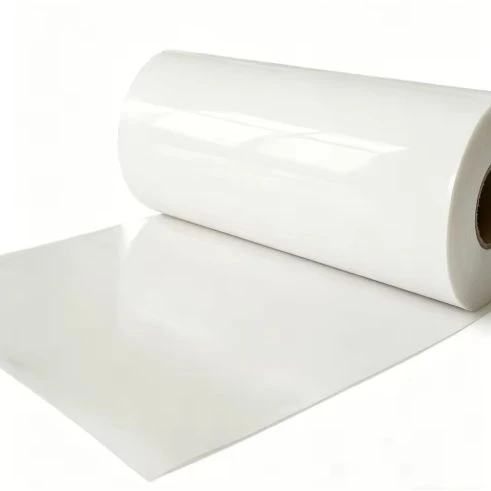
Dispensed Polyester Film
Dispensed Polyester Film, as detailed at Dispensed Polyester Film, offers unique properties. It can be customized in terms of thickness, tint, and insulation performance. This type of film is suitable for a variety of automotive applications and can be tailored to meet specific customer requirements.
Insulating Motor Film
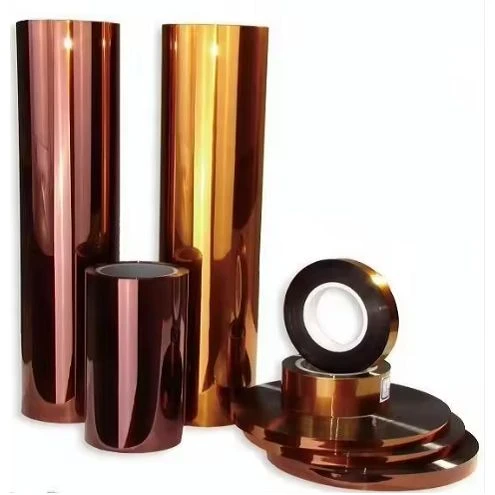
Insulating Motor Film is another option. Although it is more commonly associated with motor applications, its excellent insulating properties make it a candidate for automotive window insulation. It provides high - performance thermal and electrical insulation, which can be beneficial in maintaining a stable environment inside the vehicle.
Colorless Polyimide Film
For those who want the benefits of insulation without altering the appearance of the vehicle windows significantly, Colorless Polyimide Film, available at Colorless Polyimide Film, is a great choice. It offers high - level insulation and UV protection while maintaining a clear and unobstructed view through the window.
Conclusion
In conclusion, insulating film can be effectively used on automotive windows, offering numerous benefits such as enhanced thermal insulation, UV protection, glare reduction, and privacy. However, it is essential to consider legal regulations, installation quality, and compatibility with window features before applying the film. As an experienced insulating film supplier, we have a wide range of products, including Polyester Plastic Film, Dispensed Polyester Film, Insulating Motor Film, and Colorless Polyimide Film, to meet your specific automotive window insulation needs.
If you are interested in purchasing insulating film for your automotive windows or have any questions about our products, please feel free to reach out. Our team of experts is ready to assist you in finding the best solution and providing all the necessary information for a successful installation. Let's work together to enhance your driving experience with high - quality insulating films.
References
- "Automotive Window Tint Film Technology and Market Trends," Industry Research Report, 2023
- "Advanced Polymer Films for Automotive Applications," Journal of Automotive Materials Science, Vol. 15, 2022
- "Legal Aspects of Automotive Window Tinting," National Traffic Safety Association Handbook, 2023