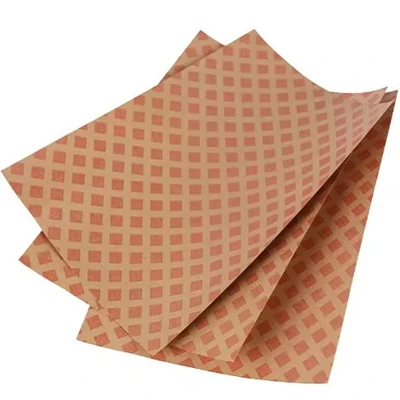

Hey there! As a supplier of NMN Insulation Paper, I'm super stoked to chat about the quality control measures we implement in the production process. NMN Insulation Paper is a big deal in the electrical insulation industry, and getting the quality right is crucial for our customers.
First off, let's understand what NMN Insulation Paper is. It's a composite material, usually made up of two layers of Nomex paper and a layer of PET Polyester Film in between. This combination gives it some awesome properties like high thermal resistance, good mechanical strength, and excellent electrical insulation. You can learn more about it on our NMN Insulation Paper page.
Raw Material Inspection
The quality control process starts right at the very beginning - with the raw materials. We don't just accept any old materials. We have a strict set of criteria for the Nomex paper and the PET Polyester Film we use.
For the Nomex paper, we check things like its thickness, density, and tensile strength. These properties can have a big impact on the final quality of the NMN Insulation Paper. We use precision measuring tools to make sure the thickness is within the specified range. If it's too thick or too thin, it can affect the insulation performance.
When it comes to the PET Polyester Film, we look at its transparency, surface smoothness, and dielectric constant. A high - quality film should be clear, have a smooth surface to ensure good adhesion with the Nomex paper, and have a stable dielectric constant for consistent electrical insulation.
Production Process Monitoring
Once the raw materials pass the inspection, we move on to the production process. This is where we really start to shape the NMN Insulation Paper.
During the lamination process, where the Nomex paper and the PET Polyester Film are bonded together, we closely monitor the temperature, pressure, and speed. The temperature needs to be just right to ensure proper adhesion without damaging the materials. If it's too high, the PET Polyester Film might melt or the Nomex paper could lose some of its properties. If it's too low, the layers won't bond well.
We also keep an eye on the pressure. Enough pressure is needed to make sure the layers are firmly bonded, but too much pressure can cause the material to deform. And the speed of the production line is important too. A consistent speed helps to ensure uniform lamination across the entire roll of NMN Insulation Paper.
In - process Sampling and Testing
Throughout the production process, we take regular samples for testing. This helps us catch any potential issues early on.
One of the key tests we do is the dielectric strength test. This measures how well the NMN Insulation Paper can withstand electrical stress without breaking down. We use specialized equipment to apply a high voltage to the sample and measure the voltage at which the insulation fails. If the dielectric strength is below the required standard, we know there's a problem in the production process that needs to be fixed.
We also test the mechanical properties of the samples. This includes things like the tensile strength and the tear strength. The NMN Insulation Paper needs to be strong enough to withstand the stresses it will encounter during installation and use. If it tears easily or has low tensile strength, it won't be suitable for its intended applications.
Final Product Inspection
After the production is complete, the NMN Insulation Paper goes through a final inspection. This is a comprehensive check to make sure the product meets all the quality standards.
We check the appearance of the paper. It should be free from any visible defects like scratches, bubbles, or uneven lamination. Any of these defects can affect the performance of the insulation paper, so we make sure to reject any rolls that have such issues.
We also measure the thickness and width of the paper to ensure they are within the specified tolerances. Even a small deviation in these dimensions can cause problems when the paper is used in electrical equipment.
Comparison with Other Insulation Papers
It's also important to see how our NMN Insulation Paper stacks up against other types of insulation papers in the market. For example, AHA Insulation Paper and F - DMD Insulation Paper are also popular choices.


Compared to AHA Insulation Paper, our NMN Insulation Paper generally has better thermal resistance. This makes it a better choice for high - temperature applications. And when it comes to F - DMD Insulation Paper, NMN Insulation Paper often has higher mechanical strength, which means it can handle more stress without getting damaged.
Another similar product is NHN Composite Paper. While NHN Composite Paper has its own advantages, our NMN Insulation Paper offers a good balance of thermal, electrical, and mechanical properties, making it a versatile option for a wide range of applications.
Why Quality Control Matters
You might be wondering, why all this fuss about quality control? Well, the quality of the NMN Insulation Paper directly affects the performance and safety of the electrical equipment it's used in.
In high - voltage applications, a poor - quality insulation paper can lead to electrical breakdowns, which can cause equipment failures, power outages, and even pose a safety hazard to people. By implementing strict quality control measures, we ensure that our customers get a reliable product that they can trust.
Conclusion
So there you have it - the quality control measures we take in the production of NMN Insulation Paper. From raw material inspection to final product testing, we leave no stone unturned to make sure our product meets the highest standards.
If you're in the market for high - quality NMN Insulation Paper, we'd love to have a chat with you. Whether you're working on a small electrical project or a large - scale industrial application, we can provide you with the right solution. Don't hesitate to reach out for more information or to start a procurement discussion.
References
- Industry standards and guidelines for electrical insulation papers
- Technical literature on Nomex paper and PET Polyester Film properties